


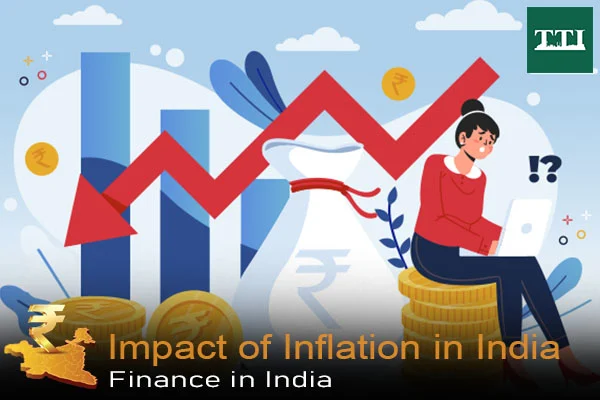
Inflation has always been a critical economic factor that influences the daily lives of households and the performance of investments in India. Defined as the sustained increase in the general price level of goods and services over time, inflation erodes the purchasing power of money, affecting how families manage expenses and plan for the future. Over the past decade, India has experienced periods of both moderate and high inflation, driven by factors such as supply chain disruptions, global commodity price fluctuations, currency depreciation, and domestic demand pressures. Understanding the impact of inflation is crucial for households seeking financial stability and for investors aiming to preserve and grow their wealth in real terms.
Understanding Inflation and Its Causes
Inflation can be categorized into several types, each with distinct causes and implications. Demand-pull inflation occurs when aggregate demand exceeds the supply of goods and services, leading to higher prices. In India, this type of inflation is often observed during periods of rapid economic growth or when fiscal stimulus boosts consumer spending. Cost-push inflation, on the other hand, arises when the cost of production increases, which could result from rising wages, higher raw material prices, or supply chain disruptions. This type of inflation was notably experienced during global oil price surges, which directly impacted fuel and transportation costs in India.
Another important factor influencing inflation in India is monetary policy. When the Reserve Bank of India (RBI) injects liquidity into the economy through lower interest rates or other monetary tools, spending increases, potentially fueling inflation. Conversely, tighter monetary policy can help control rising prices. External factors, such as global commodity price volatility, exchange rate fluctuations, and geopolitical tensions, also play a significant role in shaping India’s inflation trajectory.
Inflation’s Impact on Household Expenditure
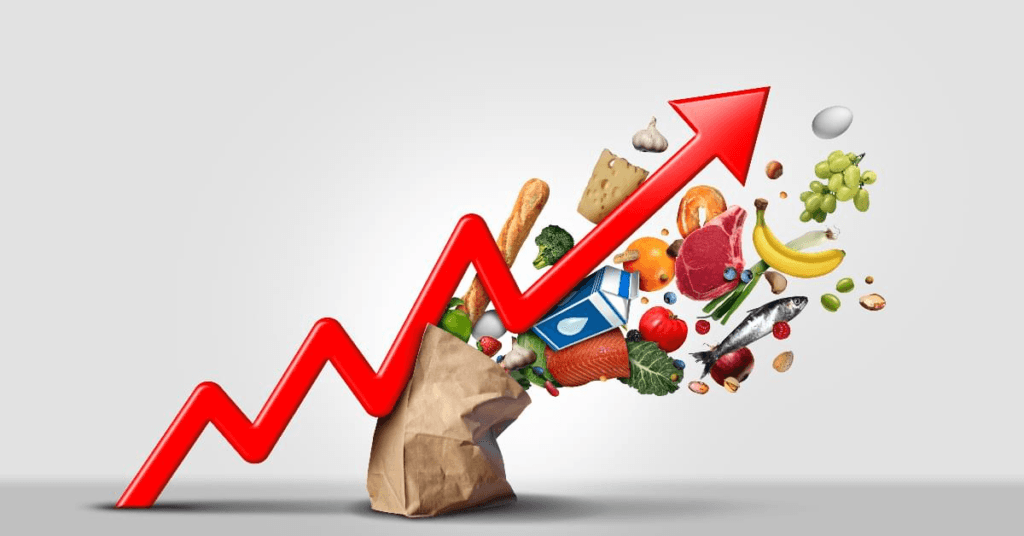
The most direct impact of inflation is on household expenditure. As prices rise, the same amount of money buys fewer goods and services, reducing disposable income. Essential categories such as food, fuel, healthcare, and education are particularly sensitive to inflationary pressures. For example, when food prices increase sharply, households may need to adjust budgets, reduce discretionary spending, or compromise on the quality or quantity of goods consumed.
Rising inflation disproportionately affects lower and middle-income households, as a larger portion of their income is spent on essential items. High-income households are better able to absorb price increases, but even they face challenges when inflation is sustained across multiple categories. Over time, persistent inflation can lead to a decline in living standards, reduced savings, and increased reliance on credit, further straining household finances.

Effect on Savings and Investment Decisions
Inflation erodes the real value of savings if the returns on deposits or investments do not keep pace with rising prices. For households relying on traditional savings accounts, fixed deposits, or recurring deposits, the real purchasing power of their savings diminishes when inflation exceeds interest earnings. This risk has prompted many investors in India to seek alternative investment avenues that offer higher returns, albeit with varying levels of risk.
Equity investments, mutual funds, and real estate are often viewed as hedges against inflation because their returns can potentially outpace rising prices over the long term. Gold has historically been a preferred inflation hedge in India, offering both capital appreciation and a store of value during periods of economic uncertainty. On the other hand, fixed-income instruments such as government bonds and bank deposits may offer safety but are more vulnerable to the erosive effects of high inflation unless interest rates are adjusted appropriately.
Sectoral and Regional Implications
Inflation does not impact all sectors or regions uniformly. Urban areas may experience higher costs for housing, transportation, and lifestyle goods, while rural households are more sensitive to food price inflation. Agricultural inflation, driven by erratic monsoons, crop failures, or increased input costs, directly affects farmers and can ripple through the economy, influencing commodity prices and household expenditure.
Industrial and service sectors are also affected differently. Companies may face higher input costs, reducing profit margins unless they can pass on the increases to consumers. Service sectors, particularly those with wage-sensitive operations, may need to adjust salaries, affecting overall operational costs and pricing. This interconnection between sectoral inflation and household consumption demonstrates how price changes in one segment can have broader economic implications.
Inflation and Investment Strategies
For investors, inflation necessitates a strategic approach to asset allocation and portfolio management. Diversification across asset classes is crucial to balance risk and returns while mitigating inflationary impact. Equities and equity-linked instruments, such as mutual funds and stocks in growth-oriented sectors, have historically outperformed inflation over the long term. Investing in sectors that benefit from inflation, such as commodities, energy, or essential goods, can also offer protection.
Real estate is another traditional hedge against inflation in India, particularly in growing urban centers where property prices tend to rise with economic development and demand. However, investors must consider liquidity, location, and regulatory risks before committing to long-term property investments. Gold, as a tangible asset, remains a preferred choice during periods of high inflation, offering both security and appreciation potential.
For conservative investors, inflation-indexed instruments such as government securities linked to inflation or inflation-protected bonds provide guaranteed real returns, albeit with lower overall yields. Balancing risk, liquidity, and potential returns is essential in crafting an investment strategy that preserves wealth and mitigates inflationary pressures.

Government and RBI Measures Against Inflation
The Indian government and RBI employ a combination of monetary, fiscal, and regulatory measures to manage inflation. The RBI uses tools such as repo rate adjustments, cash reserve ratio (CRR) modifications, and open market operations to influence liquidity and borrowing costs. By tightening or loosening monetary policy, the central bank seeks to maintain price stability while supporting economic growth.
On the fiscal side, the government may implement subsidies, buffer stock management, and targeted price interventions to stabilize essential commodity prices, particularly for food and fuel. Trade policies, import-export regulations, and strategic reserves play a complementary role in ensuring supply stability and controlling cost-push inflation. These measures are designed to protect households, maintain consumer confidence, and ensure sustainable economic growth.
Long-Term Implications for Households and the Economy
Persistent inflation can have long-term consequences for households, savings, and the economy. For families, the erosion of purchasing power may lead to changes in lifestyle, reduced savings, and increased financial stress. For the economy, sustained inflation can undermine investment, reduce consumer spending, and disrupt growth trajectories.
Households are encouraged to adopt proactive financial planning, including inflation-adjusted budgeting, investment diversification, and the use of instruments that provide real returns. Financial literacy, awareness of market trends, and prudent asset allocation can help mitigate the adverse effects of inflation and preserve long-term wealth.
Conclusion / Final Thoughts
Inflation remains a central concern for Indian households and investors, influencing purchasing power, consumption patterns, and investment decisions. While moderate inflation is a natural byproduct of economic growth, sustained high inflation poses challenges for savings, expenditure, and long-term financial planning. Understanding the causes, sectoral impacts, and available hedging strategies is essential for managing personal finances effectively.
For investors, the key is to adopt a diversified portfolio that includes equities, real estate, commodities, and inflation-protected instruments to ensure returns exceed inflation over time. For households, budgeting, expense management, and awareness of price trends are critical to maintaining financial stability. With a combination of prudent planning, regulatory guidance, and informed investment strategies, Indian households and investors can navigate inflationary pressures while securing long-term financial goals.
FAQs
1. How does inflation affect household purchasing power?
Inflation reduces the real value of money, meaning households can buy fewer goods and services with the same income, leading to higher living costs.
2. Which investments are considered hedges against inflation in India?
Equities, real estate, gold, commodities, and inflation-protected bonds are common strategies to preserve wealth against inflation.
3. What measures does RBI take to control inflation?
RBI uses monetary policy tools such as repo rate adjustments, liquidity management, and open market operations to regulate inflation while supporting economic growth.
4. How can households protect themselves from high inflation?
Households can manage inflation by diversifying investments, budgeting effectively, reducing discretionary spending, and opting for assets that offer returns above the inflation rate.
Next Topic: AI in Indian Banking: Use Cases and Future Scope
Also Check: RBI vs Cryptocurrency: Past Actions and Future Outlook