



The Indian stock market has experienced significant growth over the past decade, and 2026 presents new opportunities and challenges for investors, traders, and financial institutions. With a dynamic economy, evolving policies, and global market influences, understanding the Indian stock market outlook for 2026 is essential for anyone looking to invest or strategize in the financial sector. This article provides an in-depth analysis of key trends, sector insights, market performance, and investment strategies relevant to India’s evolving equity landscape.
Market Performance Overview
The Indian stock market, primarily represented by the BSE Sensex and NSE Nifty 50 indices, has shown resilience despite global economic uncertainties. Factors such as government reforms, increasing foreign investments, and domestic consumption growth have contributed to steady market performance.
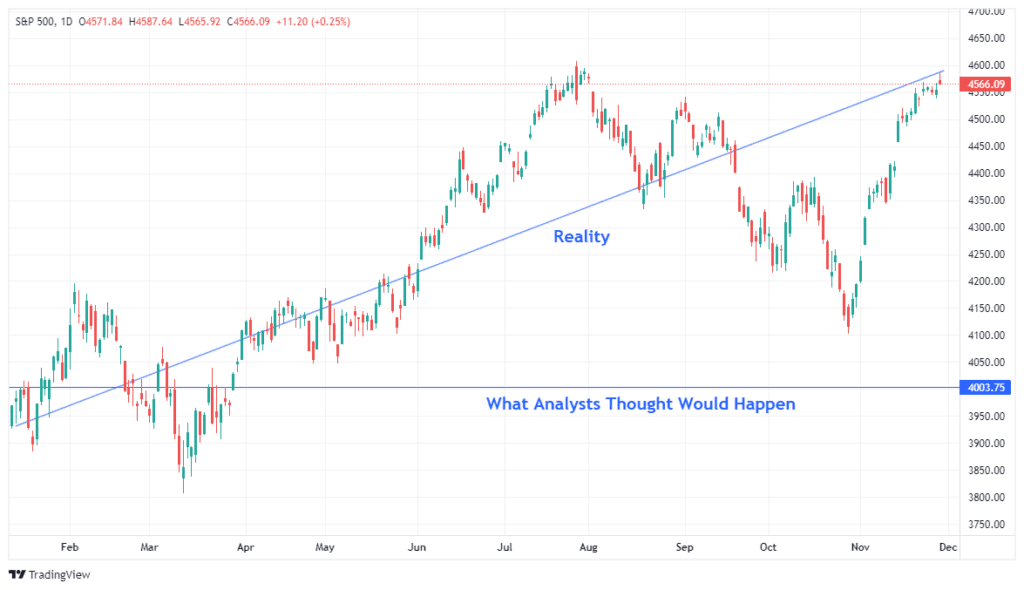
In 2026, analysts anticipate moderate growth supported by strong corporate earnings, government initiatives, and technological adoption across sectors. While global events like geopolitical tensions, interest rate fluctuations, and inflation could influence market volatility, India’s robust economic fundamentals provide stability for long-term investors.
The market has also seen diversification with more participation from retail investors, mutual funds, and institutional players. Increased awareness about investment products and easier access to trading platforms have broadened market participation, making the Indian stock market a vibrant ecosystem for growth and wealth creation.

Key Sectors to Watch
Several sectors are expected to drive market trends in 2026.
1. Technology and IT Services: India’s IT sector continues to be a global leader, with software exports and digital solutions driving revenue growth. Companies focusing on cloud computing, AI, cybersecurity, and fintech solutions are expected to outperform, attracting both domestic and foreign investors.
2. Renewable Energy and Sustainability: With a global shift toward sustainable energy, Indian companies in solar, wind, and green technologies are poised for growth. Government incentives and increasing adoption of renewable energy solutions make this sector a key investment focus.
3. Banking and Financial Services: The banking sector, including fintech startups, is undergoing transformation. Digital banking, payment systems, and technology-driven lending models are expected to enhance efficiency and profitability, making this sector attractive for investors seeking growth and innovation.
4. Healthcare and Pharmaceuticals: India’s healthcare sector is expanding rapidly, driven by demand for affordable medical services, pharmaceuticals, and biotech innovations. Companies focusing on research, production, and digital health solutions are likely to see increased market activity.
5. Infrastructure and Real Estate: Government initiatives in infrastructure development, urban housing, and smart cities are creating investment opportunities in construction, logistics, and related industries. Investors are advised to track government projects and policy reforms affecting this sector.
Investment Trends and Strategies
Investors in 2026 are adopting diverse strategies to maximize returns and manage risks.
Long-Term Equity Investments: Many investors prefer holding quality stocks with strong fundamentals for extended periods, leveraging India’s growth potential. Sectors like technology, healthcare, and infrastructure are popular choices for long-term portfolios.
Mutual Funds and ETFs: Diversified investment through mutual funds and exchange-traded funds (ETFs) continues to gain popularity. These instruments provide exposure to multiple sectors while mitigating individual stock risk.
Sustainable and ESG Investing: Environmental, social, and governance (ESG) considerations are increasingly influencing investment decisions. Companies adhering to ESG standards are attracting both institutional and retail investments, aligning financial returns with ethical practices.
Active Trading and Technical Analysis: Short-term traders leverage market volatility using technical analysis, algorithmic trading, and derivative instruments. This approach requires expertise, timely decision-making, and continuous monitoring of market trends.

Government Policies and Market Regulation
India’s regulatory framework plays a crucial role in shaping market performance. The Securities and Exchange Board of India (SEBI) ensures transparency, investor protection, and fair trading practices. Policies supporting capital market development, corporate governance, and financial literacy contribute to a stable and trustworthy investment environment.
Government initiatives like “Make in India,” infrastructure development projects, and reforms in taxation and corporate compliance have a direct impact on market sectors and investor sentiment. Staying informed about policy changes is essential for making strategic investment decisions.
Risks and Considerations
Despite opportunities, investors must be aware of risks in 2026. Global economic fluctuations, currency volatility, inflation, and geopolitical tensions can influence market trends. Sector-specific risks, such as regulatory changes, technological disruption, or environmental challenges, also affect returns.
Investors are advised to diversify portfolios, conduct thorough research, and stay updated on both domestic and international market developments. Risk management through asset allocation, hedging strategies, and professional financial advice is critical to navigating uncertainties.
Future Outlook
The Indian stock market in 2026 presents a positive outlook with sustained growth potential. Technological advancements, increased participation, and government reforms are expected to drive market performance. Long-term investors can benefit from sectoral growth, while short-term traders can capitalize on market volatility.
India’s expanding economy, rising middle class, and increasing digital adoption create a fertile ground for equity investments. The continued integration of global financial systems and investor-friendly policies further enhances the country’s attractiveness as a destination for capital market activities.
Conclusion
In conclusion, the Indian stock market outlook for 2026 indicates a dynamic environment with both opportunities and challenges. Investors should focus on key sectors like technology, healthcare, renewable energy, financial services, and infrastructure while staying informed about regulatory changes and global trends. Diversified investment strategies, risk management, and long-term planning are essential for success in India’s evolving equity market. With careful analysis and informed decision-making, investors can leverage the growth potential of the Indian stock market to achieve financial goals while contributing to the country’s economic development.
FAQs
1. Which sectors are expected to perform well in 2026?
Technology, renewable energy, banking, healthcare, and infrastructure are projected to show significant growth in India.
2. How can retail investors participate in the stock market?
Retail investors can invest directly in stocks, mutual funds, ETFs, or use digital trading platforms for diversified portfolio management.
3. What are the main risks for investors in 2026?
Market volatility, global economic changes, sector-specific risks, and regulatory changes are key factors affecting investments.
4. How do government policies influence the stock market?
Policies impact corporate earnings, sector growth, and investor sentiment, making awareness of reforms and regulations essential for strategic investing.
Next Topic: Fintech Startups India 2026 – Key Players & Trends
Also Check: Cryptocurrency Regulations India 2026 – Latest Updates & Impact