


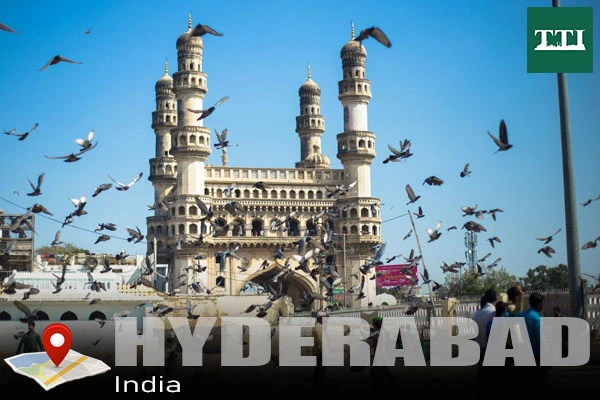
Hyderabad, the capital of Telangana, is a city where history, culture, and modern innovation intersect in a distinctive and powerful way. Known as the “City of Pearls” and the “City of Nizams,” Hyderabad has evolved from a princely capital into one of India’s fastest-growing metropolitan centers. Its unique blend of Indo-Islamic heritage, Telugu culture, and global technology-driven growth makes Hyderabad one of the most dynamic cities in contemporary India.
Historical Origins and Legacy
Hyderabad was founded in 1591 by Muhammad Quli Qutb Shah of the Qutb Shahi dynasty. Built on the banks of the Musi River, the city was designed as a planned capital with Charminar at its center, symbolizing prosperity and architectural ambition. Under the Qutb Shahis, Hyderabad became a thriving center of trade, culture, and learning.
In the 18th century, the city came under the rule of the Asaf Jahi dynasty, whose rulers were known as the Nizams of Hyderabad. The Nizams governed one of the wealthiest princely states in India, investing heavily in infrastructure, education, and public institutions. Hyderabad remained a princely state even during British rule and was integrated into the Indian Union in 1948. This layered political history has left a lasting imprint on the city’s culture and urban identity.
Geography and Urban Expansion
Hyderabad is located on the Deccan Plateau, characterized by rocky terrain, scattered hills, and man-made lakes. The city has a semi-arid climate with hot summers, moderate monsoons, and mild winters. Its geographic setting has influenced traditional architecture, water management systems, and settlement patterns.
Modern Hyderabad has expanded far beyond its historic core. Areas such as Secunderabad, once a British cantonment, and newer zones like Hitech City and Gachibowli represent different phases of urban development. The city’s growth has been marked by planned infrastructure, wide roads, and emerging residential and commercial corridors.
Economic Growth and Transformation
Hyderabad’s economy has undergone a significant transformation over the past few decades. Traditionally known for trade, handicrafts, and administrative functions, the city is now one of India’s leading technology and business hubs. The establishment of information technology parks and special economic zones has attracted multinational corporations and global investors.
The city is a major center for information technology, pharmaceuticals, biotechnology, and life sciences. Hyderabad’s pharmaceutical industry, in particular, plays a crucial role in India’s healthcare supply chain, earning the city the title of “Pharma Capital of India.” Alongside large corporations, Hyderabad has a growing startup ecosystem supported by incubators, research institutions, and government initiatives.
Education and Knowledge Institutions
Education has long been a pillar of Hyderabad’s development. The city is home to prestigious institutions such as Osmania University, established in 1918, which was among the first universities in India to use a regional language as the medium of instruction. Other notable institutions include the University of Hyderabad, Indian School of Business, and several engineering, medical, and research colleges.
Hyderabad also hosts national research organizations and training centers that contribute to scientific advancement and policy development. The presence of these institutions has helped build a skilled workforce and foster innovation across sectors.
Cultural Diversity and Social Fabric
Hyderabad is renowned for its cultural synthesis. Telugu and Urdu traditions coexist harmoniously, reflected in the city’s language, festivals, food, and social customs. Telugu is the official language, while Urdu has a strong cultural presence, especially in older parts of the city. English and Hindi are also widely spoken.
The city celebrates a wide range of festivals, including Diwali, Dussehra, Eid, Bonalu, and Sankranti. Bonalu, a traditional folk festival dedicated to regional deities, is unique to Telangana and highlights Hyderabad’s indigenous cultural roots. This blend of traditions contributes to the city’s inclusive and welcoming atmosphere.
Architecture and Heritage
Hyderabad’s architectural landscape is a testament to its royal past and multicultural heritage. Charminar remains the city’s most iconic structure, surrounded by bustling markets and historic neighborhoods. Other notable landmarks include Golconda Fort, Mecca Masjid, Chowmahalla Palace, and Falaknuma Palace.
These structures reflect Persian, Mughal, and local architectural styles, emphasizing grandeur, symmetry, and craftsmanship. Alongside historic monuments, Hyderabad features modern infrastructure, including corporate campuses, flyovers, and residential complexes, creating a striking contrast between old and new.
Cuisine and Culinary Identity
Hyderabadi cuisine is one of the city’s most celebrated cultural contributions. Influenced by royal kitchens and regional flavors, it is known for its rich aromas, slow-cooked preparations, and balanced use of spices. Hyderabadi biryani is internationally famous and remains a defining symbol of the city’s culinary identity.
In addition to biryani, dishes such as haleem, kebabs, korma, and traditional sweets reflect the city’s diverse food heritage. Street food and local eateries coexist with fine-dining restaurants and global cuisines, making Hyderabad a major destination for food enthusiasts.
Transportation and Infrastructure
Hyderabad has invested heavily in infrastructure development to support its rapid growth. The city features wide road networks, flyovers, and expressways that improve connectivity across residential and commercial zones. The Hyderabad Metro Rail has become a key component of public transportation, reducing travel time and congestion.
Rajiv Gandhi International Airport serves as a major aviation hub, connecting Hyderabad to domestic and international destinations. The city’s infrastructure planning has been relatively forward-looking, contributing to its reputation for organized urban development compared to many other Indian metros.
Technology and Innovation Ecosystem
Hyderabad has emerged as one of India’s leading technology destinations. Areas such as Hitech City, Gachibowli, and Financial District host major global companies in software, cloud computing, data analytics, and financial services. The city’s pro-business policies and availability of skilled talent have made it attractive to investors.
Innovation hubs, startup accelerators, and research parks support entrepreneurship and technological experimentation. Hyderabad’s growing reputation as a technology and innovation center places it among India’s most future-oriented cities.
Urban Challenges and Sustainability
Despite its progress, Hyderabad faces challenges common to rapidly growing cities. Traffic congestion, water management, urban sprawl, and environmental sustainability are ongoing concerns. Rapid construction and population growth have placed pressure on lakes and natural ecosystems.
Efforts are underway to address these challenges through lake restoration projects, improved public transport, and sustainable urban planning initiatives. Civic engagement and policy reforms continue to shape the city’s approach to long-term development.
Hyderabad in Contemporary India
Hyderabad occupies a unique position in India’s urban hierarchy. It combines historical depth with economic momentum and cultural openness. The city’s ability to preserve its heritage while embracing global industries has made it a model for balanced urban growth.
As the capital of a relatively new state, Hyderabad also plays a key role in shaping Telangana’s identity and development trajectory. Its influence extends across technology, healthcare, education, and culture.
Conclusion
Hyderabad is a city defined by continuity and transformation. From the grandeur of its royal past to the innovation-driven energy of its present, it represents a successful fusion of tradition and progress. With its strong cultural roots, expanding economy, and forward-looking vision, Hyderabad stands as one of India’s most important and promising metropolitan cities.
Next post: Ahmedabad: The Vibrant Economic and Cultural Hub of Gujarat
Also check: Bengaluru: India’s Technology Capital and the City of Innovation