


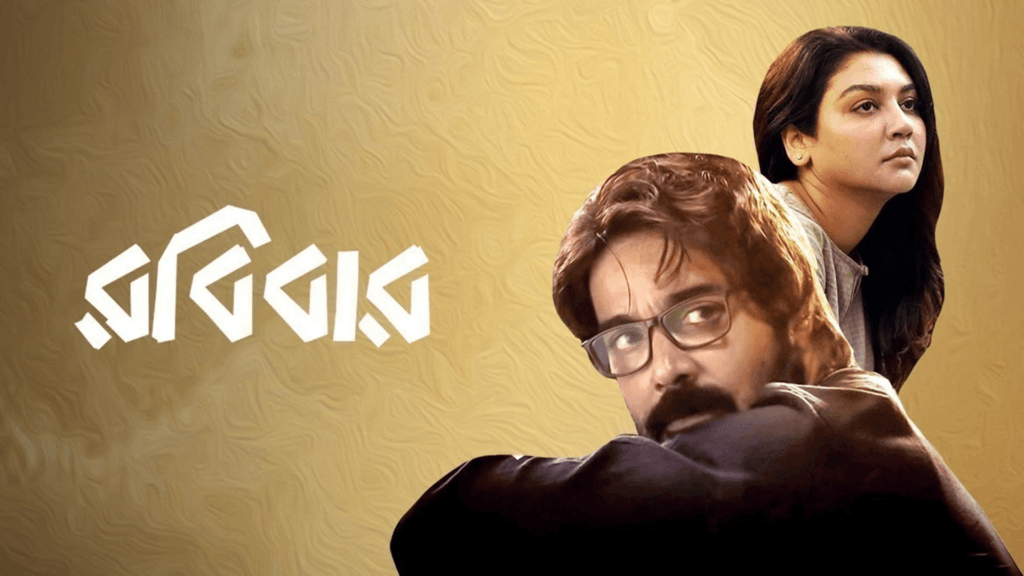
Robibaar (2019) is a Bengali thriller-drama that weaves suspense, emotion, and complex human relationships into a gripping cinematic experience. Directed by Atanu Ghosh, the film delves into themes of love, betrayal, trust, and societal expectations while offering audiences a thought-provoking narrative. Known for its layered storytelling and strong performances, Robibaar stands out in contemporary Bengali cinema as an intelligent thriller that balances tension with emotional depth, drawing viewers into the intricacies of human behavior and the consequences of past choices.
The story revolves around Rudra (played by Prosenjit Chatterjee) and Sharmila (played by Raima Sen), former lovers who reunite after several years due to unforeseen circumstances. The film begins with a sense of normalcy, but as Rudra and Sharmila reconnect, unresolved emotions, secrets, and past misunderstandings surface, creating a suspenseful atmosphere. Their interactions gradually reveal the complexities of their relationship, exploring the delicate balance between love, regret, and forgiveness. The narrative unfolds with a mix of subtle psychological tension and emotional resonance, keeping audiences engaged while prompting reflection on the choices and circumstances that shape human lives.
Performances and Character Portrayals
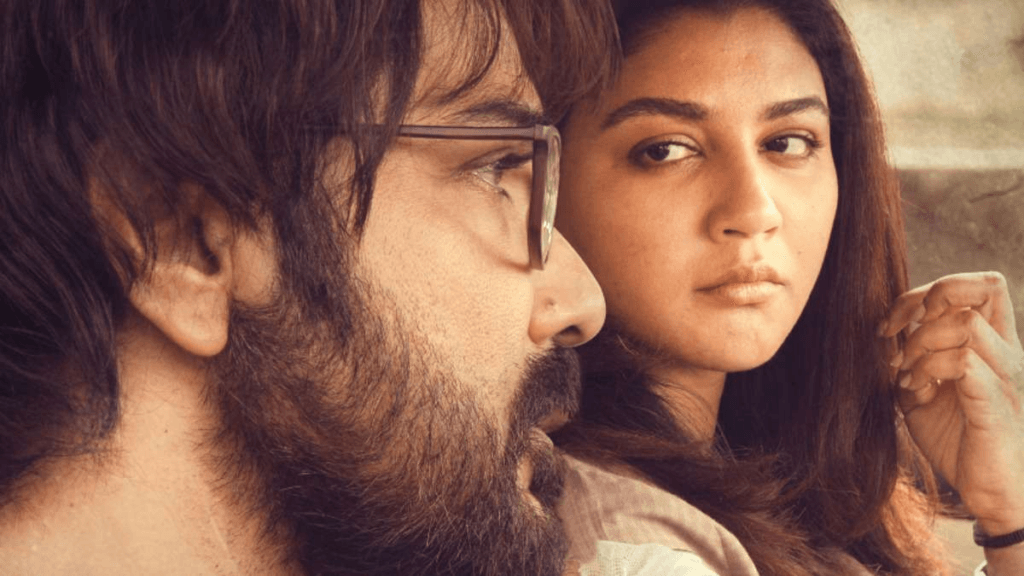
Prosenjit Chatterjee delivers a nuanced performance as Rudra, portraying a man caught between past regrets and present realities. His understated acting captures the internal conflicts of the character, reflecting vulnerability, longing, and resilience. Raima Sen complements him with a sensitive portrayal of Sharmila, effectively conveying emotional depth and moral complexity. Their on-screen chemistry is layered and realistic, allowing the audience to invest in their emotional journey while maintaining suspense regarding their motives and future.
The supporting cast, including Sudipta Chakraborty and Ritwick Chakraborty, enhances the story by adding perspectives that highlight societal and interpersonal dynamics. Each character is carefully developed, contributing meaningfully to the narrative while emphasizing the central themes of trust, betrayal, and emotional consequence. The performances are subtle yet impactful, reflecting the realism and authenticity that Bengali cinema is celebrated for, and providing a strong foundation for the film’s psychological and dramatic elements.
Storytelling and Direction
Atanu Ghosh’s direction is meticulous and deliberate, prioritizing character development and narrative tension over flashy visuals or action sequences. The screenplay is layered, gradually revealing crucial information to maintain suspense while exploring the emotional stakes of the characters. By combining elements of drama, romance, and psychological thriller, Ghosh creates a narrative that is both engaging and intellectually stimulating. The film’s pacing allows for moments of introspection, dialogue-driven tension, and narrative surprises, keeping viewers attentive and emotionally invested.
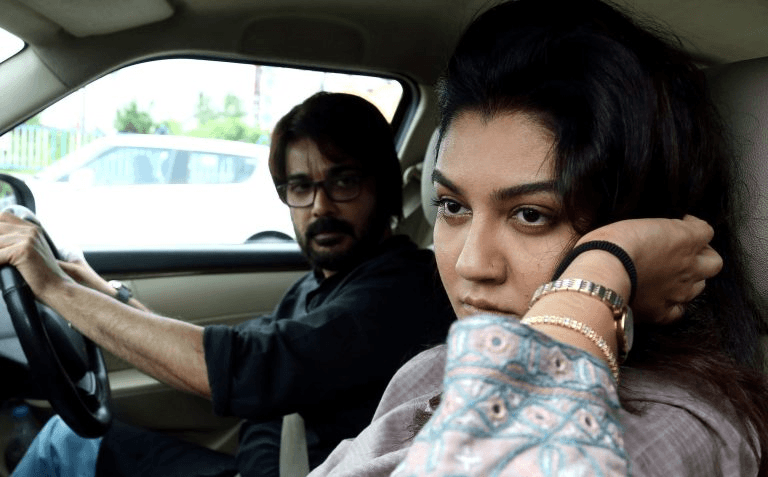
The director’s approach to storytelling emphasizes subtlety and depth, using silence, body language, and carefully composed frames to convey emotional tension. The cinematography by Supriyo Dutta complements this style, employing muted tones, close-up shots, and reflective framing to capture the intimacy and tension between characters. Editing by Sujay Dutta ensures smooth narrative transitions while maintaining suspense, particularly in key moments where past events and present interactions converge to heighten dramatic impact.
Themes and Social Commentary
Robibaar explores themes of trust, accountability, and the enduring impact of past choices on present relationships. The film emphasizes the moral and emotional complexities of human behavior, highlighting how misunderstandings, unspoken feelings, and societal expectations shape relationships over time. Themes of forgiveness and reconciliation are central to the narrative, with the story suggesting that personal growth and mutual understanding are essential for resolving long-standing conflicts.
In addition to interpersonal dynamics, the film subtly comments on societal norms and pressures, particularly in the context of love, marriage, and personal choices. The characters navigate these pressures while striving to maintain their individuality and integrity, reflecting broader cultural tensions in contemporary Indian society. Through its narrative, Robibaar invites viewers to reflect on the consequences of their decisions, the importance of communication, and the challenges of balancing personal desires with societal expectations.
Cinematic Style and Technical Elements
The film’s technical aspects enhance its narrative and thematic impact. Cinematography is used not only to establish setting but also to convey emotional states, with lighting, color, and framing reflecting the characters’ inner turmoil and relational tension. Supriyo Dutta employs close-ups to capture subtle expressions, while wider shots contextualize characters within their social and physical environment. This visual strategy reinforces the psychological dimension of the story, making the audience feel intimately connected to the characters’ experiences.
The sound design and background score contribute to the suspenseful atmosphere, using subtle musical cues to heighten tension without overpowering the narrative. Moments of silence are employed strategically, allowing emotional beats to resonate and enhancing the impact of dialogue and performance. Editing ensures that the pacing supports both tension and character exploration, creating a rhythm that maintains engagement while allowing the story to unfold organically.
Audience Reception and Critical Response
Upon release, Robibaar received positive reviews for its intelligent storytelling, nuanced performances, and psychological depth. Critics praised Atanu Ghosh’s direction and the lead actors’ ability to convey complex emotions with subtlety and realism. The film was appreciated for its mature approach to the thriller genre, prioritizing emotional and psychological tension over conventional action or dramatic tropes. Audiences responded positively to the relatability of the characters and the film’s exploration of real-life dilemmas, contributing to its critical and commercial recognition within Bengali cinema.
Box office performance was steady, reflecting the appeal of intelligent, character-driven cinema in a market often dominated by mainstream commercial releases. Robibaar’s success demonstrated the audience’s appetite for thoughtful narratives that combine suspense with emotional resonance, establishing it as a noteworthy entry in the Bengali film industry.
Music and Soundtrack
The film’s music, composed by Joy Sarkar, complements the narrative by providing subtle emotional cues and enhancing the atmosphere without overshadowing the story. Songs and background scores are used sparingly but effectively, reinforcing key emotional moments and transitions. The music aligns with the film’s tone, emphasizing introspection, tension, and emotional depth, and contributing to the immersive experience for the audience.
Conclusion / Final Thoughts
In conclusion, Robibaar (2019) is a Bengali thriller-drama that successfully combines suspense, emotional depth, and thoughtful storytelling. Prosenjit Chatterjee and Raima Sen deliver powerful performances, supported by a capable ensemble cast that brings authenticity and complexity to the narrative. Director Atanu Ghosh’s emphasis on psychological tension, character development, and subtle social commentary elevates the film beyond conventional thrillers, creating a work that is both engaging and reflective. With its focus on relationships, trust, and the consequences of past choices, Robibaar offers audiences a compelling exploration of human behavior and societal dynamics in contemporary Bengal.
FAQs
1. Who are the lead actors in Robibaar (2019)?
Prosenjit Chatterjee and Raima Sen play the lead roles, supported by Sudipta Chakraborty and Ritwick Chakraborty.
2. What is the main plot of the film?
The film revolves around Rudra and Sharmila, former lovers who reconnect after years, uncovering unresolved emotions, secrets, and misunderstandings that drive suspense and emotional tension.
3. How was the film received by critics and audiences?
The film was praised for its intelligent storytelling, strong performances, and psychological depth, appealing to audiences seeking thoughtful, character-driven cinema.
4. Does the film explore social themes?
Yes, it examines trust, accountability, societal pressures, and the moral complexities of personal relationships, providing insight into contemporary social dynamics.
Next Topic: January 15, 2026 Sikkim State Lottery – Dear Supreme Thursday 6 PM
Also Check: Jawan (2023) Movie: High-Octane Action & Story Review