


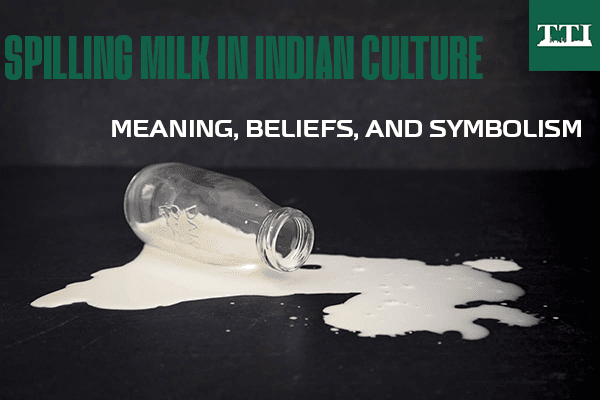
In Indian culture, milk is not treated as an ordinary household item. It is seen as a substance filled with spiritual, cultural, and emotional significance. Because of this deep respect, accidentally spilling milk is commonly believed to be inauspicious. This belief has been passed down through generations and continues to be familiar in many Indian homes today. Even in modern households where lifestyles have changed, elders often pause and react when milk is spilled, reflecting how deeply rooted the symbolism remains.
Milk represents nourishment, care, and continuity of life. In traditional Indian families, food is never just food—it carries meaning, intention, and respect. Spilling milk, therefore, is not viewed as a simple accident but as something that disrupts harmony. While not everyone believes it literally brings bad luck, the cultural response to it shows how symbolism shapes everyday behavior.
The Sacred Importance of Milk
Milk holds a highly respected place in Indian religious and cultural traditions. It is closely associated with purity, abundance, and divine blessings. In Hinduism, milk is frequently offered to gods and goddesses during rituals and prayers. One of the most well-known practices is offering milk to Lord Shiva during abhishekam, where milk is poured over the Shiva lingam as a symbol of devotion and purification.
The sacred status of milk is also closely linked to the cow, which is revered in Indian culture as a symbol of motherhood, selfless giving, and life itself. Since milk comes from the cow, it naturally inherits this sacred quality. In traditional thinking, milk represents prosperity, fertility, and spiritual cleanliness. Because of these associations, wasting milk is believed to disturb its positive energy and the blessings connected to it.
Why Spilling Milk Is Considered Inauspicious
The belief that spilling milk brings bad luck is strongest when it happens at specific times. Early mornings, prayer hours, and important occasions such as weddings, festivals, new business openings, or housewarming ceremonies are considered especially sensitive. If milk spills during these moments, elders may see it as a sign of imbalance or a warning to proceed with extra care.
Traditionally, this belief was not meant to create fear but to encourage mindfulness. Milk was once a valuable resource, especially in agrarian societies where it depended on livestock health and seasonal conditions. Spilling milk meant not just loss of food, but loss of effort and livelihood. Over time, this practical concern transformed into a symbolic belief that linked spilled milk with misfortune or obstacles.
Milk Compared to Other Substances
An interesting aspect of Indian cultural belief is how milk is viewed differently from other liquids, especially water. Spilling water is generally considered neutral and, in some cases, even cleansing. Water is abundant and symbolizes flow and renewal, so its loss does not carry strong negative meaning.
Milk, on the other hand, is seen as rich, nourishing, and precious. In earlier times, it was not always easily available, making it more valuable than water. This difference explains why spilling milk is frowned upon while spilling water is often ignored. The contrast highlights how cultural symbolism is shaped by both spiritual beliefs and historical realities.
Traditional Responses to Spilled Milk
When milk is accidentally spilled, many families respond with calm and simple actions rather than panic. Some people quietly take God’s name, chant a short prayer, or mentally ask for forgiveness. Others may sprinkle a little water over the spilled area or clean it respectfully, rather than hastily.
These responses are meant to restore emotional and spiritual balance. They reflect the idea that intention matters more than the accident itself. The rituals are not about punishment but about acknowledging tradition and showing respect for what was lost. In this way, the belief encourages responsibility without creating guilt.
Auspicious Exceptions and Festive Practices
Interestingly, not all spilling of milk is considered negative. During festivals like Pongal, Makar Sankranti, or certain harvest celebrations, milk is intentionally allowed to boil over. This overflowing milk is seen as a powerful symbol of abundance, prosperity, and good fortune. Families celebrate the moment with joy, prayers, and gratitude.
This exception clearly shows that intention plays a key role in Indian symbolism. Accidental spilling is viewed differently from deliberate overflow done during rituals. The same act—milk spilling—can be either inauspicious or highly auspicious depending on context, purpose, and mindset.
Modern Understanding of the Belief
In modern times, many people view the belief around spilled milk more as a tradition than a literal sign of bad luck. From a practical perspective, the superstition likely developed to encourage care and prevent waste, especially when resources were limited. Over generations, this caution became embedded in cultural and spiritual narratives.
Today, while younger generations may not fully believe in the superstition, they often still respect it out of cultural habit or family tradition. The belief has evolved into a reminder to value food, practice mindfulness, and remain grateful for nourishment.
Conclusion
The belief that spilling milk is inauspicious reflects a broader Indian worldview where everyday actions carry deeper symbolic meaning. Rooted in respect for nourishment, spirituality, and tradition, this belief goes beyond superstition. Whether followed strictly or understood symbolically, it emphasizes care, gratitude, and awareness—values that continue to hold relevance in both traditional and modern Indian life.
Also Read: The Mysterious Monkey-Man of Delhi: An Urban Legend