


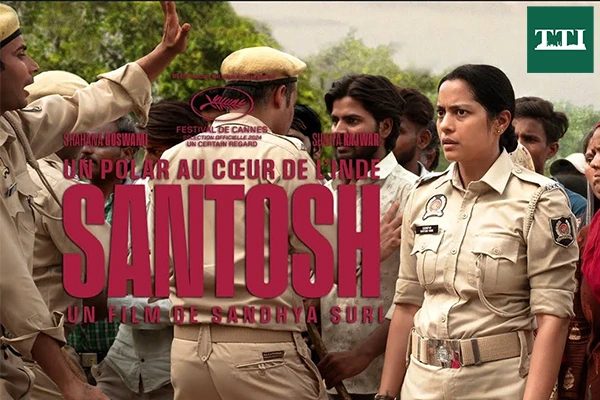
Santosh is a 2024 Hindi‑language police procedural crime drama film written and directed by Sandhya Suri. Unlike typical mainstream Bollywood films, Santosh belongs to a genre that mixes gripping mystery with thoughtful social commentary. It explores difficult and nuanced themes such as gender, caste discrimination, institutional corruption, and systemic injustice within modern Indian society.
The film has received international acclaim and made history as a shortlisted entry for the coveted Best International Feature Film category at the 97th Academy Awards, representing the United Kingdom due to its co‑production status despite being in Hindi.
A Narrative of Power and Prejudice
The narrative of Santosh centers on a young widow named Santosh Saini, played by Shahana Goswami, who unexpectedly inherits her late husband’s job as a police constable under a government scheme designed to support widows. The film is set in the rural regions of northern India, where Santosh is assigned to patrol and serve as part of a police force that is deeply entrenched in tradition, bureaucracy, and social power structures.
From Inexperience to Investigation
At first, Santosh’s new position appears mostly ceremonial. She is inexperienced, uncertain of her abilities, and confronted with the everyday challenges of life as a female officer in a male‑dominated institution. As the story progresses, she becomes involved in investigating the brutal rape and murder of a Dalit teenager—a crime that exposes deep‑seated caste discrimination and sociopolitical neglect.
A Journey of Moral Complexity
Santosh is forced to confront not only the criminals involved but also the prejudices and moral compromises within the police force itself. The film refuses to present comfort or neat answers. Instead, it uses the procedural mystery and Santosh’s personal journey to highlight the harsh realities and complexities of policing and social dynamics in the Indian countryside.
Standout Performances and Character Dynamics
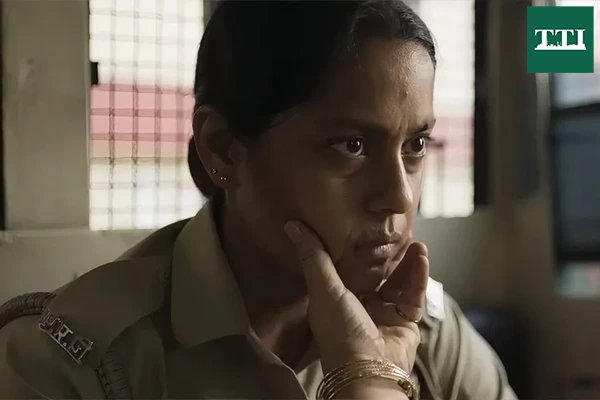
Shahana Goswami delivers a performance that many critics consider unforgettable. She brings fragility, strength, and emotional depth to Santosh as she navigates systemic resistance and personal grief. Her portrayal anchors the narrative, making the audience feel both her vulnerability and her developing resolve.
Mentorship and Conflict
Sunita Rajwar plays Inspector Geeta Sharma, a seasoned officer who becomes both a mentor and foil to Santosh. The dynamic between the two characters adds layers of tension and insight into institutional challenges. Other cast members include Sanjay Bishnoi and Kushal Dubey, whose performances contribute to the film’s textured depiction of rural society and police hierarchies.
The film’s characters are more than archetypes; they reflect real conflicts and contradictions that exist in the everyday functioning of law enforcement and community life.
Direction, Cinematography, and Style
As her first feature film, Sandhya Suri demonstrates remarkable ambition and sensitivity. She originally planned to make a documentary about sexual violence in India but shifted to fictional storytelling after being inspired by powerful real‑world imagery.
Documentary-Style Realism
This background in documentary influences the film’s raw, observational style, helping it feel immediate and truthful rather than distant or staged. The cinematography captures both the expansiveness and the social claustrophobia of rural northern India. The use of real locations and a subdued visual palette enhances the authenticity of the environment, making the film’s world feel lived‑in and unfiltered.
A Measured Screenplay
The screenplay avoids melodrama, favoring instead a measured pace that allows its themes to emerge through character interactions, procedural details, and ethical dilemmas. The mystery at the heart of the plot propels the narrative while also serving as a vehicle to examine the social fabric that enables injustice.
International Reception and Awards Recognition
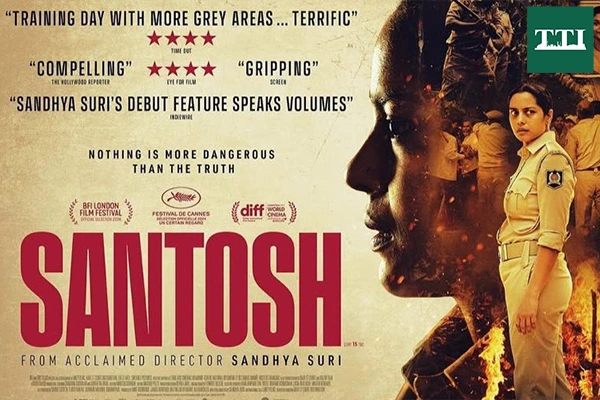
Santosh premiered at the 77th Cannes Film Festival on 20 May 2024 in the Un Certain Regard section. There, it drew praise for its unflinching storytelling and the strength of its lead performance. Reviews highlighted its compelling approach to social issues and its departure from conventional genre formulas.
Making Academy Award History
The film was selected as the United Kingdom’s official entry for the Best International Feature Film category at the 97th Academy Awards, a significant milestone given its Indian setting and Hindi language. It was one of only 15 films shortlisted in that category globally—a recognition of its artistic impact and global relevance. The National Board of Review also named it one of the top international films of the year.
Read our previous post: Sitaare Zameen Par (2025) — A Heartfelt Slam Dunk for the Soul
Controversy and Censorship in India
Despite international acclaim, Santosh has faced considerable challenges in India. The Central Board of Film Certification (CBFC) requested extensive edits to the film, particularly around its portrayal of caste discrimination, police conduct, and gender‑based violence.
The Debate Over Artistic Expression
The filmmakers chose not to make these changes, stating that they would compromise the film’s integrity. As a result, Santosh was not granted theatrical certification for release in India and was indefinitely delayed. This situation sparked debate about artistic expression, censorship, and the role of cinema in addressing uncomfortable social realities.
Final Verdict: Why You Should Watch Santosh
Santosh is not simply entertainment; it is a thoughtful and powerful cinematic experience that pushes audiences to confront societal issues that are seldom discussed in mainstream commercial cinema. Its strength lies not only in its compelling mystery but also in its willingness to engage with themes of caste, gender, and moral complexity without resorting to easy answers.
The film’s international success demonstrates that stories rooted in local contexts can resonate globally when they are told with honesty and courage. Its strong central performance, measured direction, and socially relevant narrative make it a significant film—not just as a crime drama, but as a work of art that challenges viewers to think more deeply about justice and human dignity.
Also read: The Mehta Boys (2025) – A Heartfelt Exploration of Family and Reconciliation