


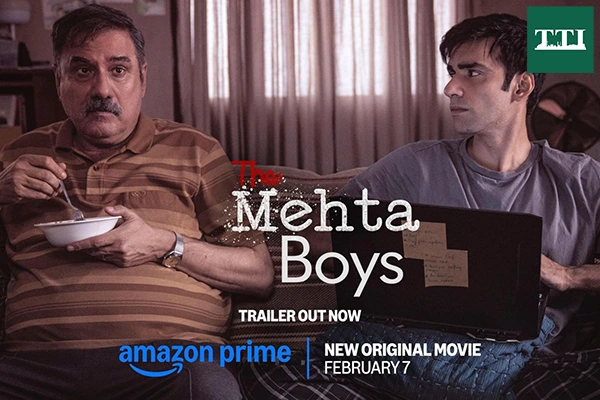
The Mehta Boys is a 2025 Indian Hindi‑language drama film that marks the directorial debut of veteran actor Boman Irani, who also serves as co‑writer and co‑producer of the project. The film premiered on 7 February 2025 exclusively on Amazon Prime Video, and has quickly become one of the most talked‑about family dramas of the year. It is a nuanced and emotionally resonant story that explores the complexities of a father‑son relationship over a short but transformative period of time.
Directed by Irani alongside Oscar‑winning writer Alexander Dinelaris, the film takes a grounded, character‑driven approach to its subject matter, avoiding melodrama while still delivering deep emotional impact. Its release on a global streaming platform means audiences around the world can experience this intimate tale of estrangement, identity, and understanding.
Plot Summary
A Journey of Reconnection
The core story of The Mehta Boys centers on Amay Mehta, a young architect living in Mumbai who is deeply focused on his career but internally struggling with a lack of confidence and emotional closure. When he receives news of his mother’s death, he travels back to his hometown in Gujarat for her funeral. There, he reunites with his estranged father Shiv Mehta (played by Boman Irani), a widower preparing to relocate to the United States with his daughter Anu. Despite their emotional distance, a last‑minute ticket delay forces Shiv to remain in India for another 48 hours — and he ends up staying with Amay.
The film’s narrative focuses on these two days, during which long‑buried tensions surface, old grievances are voiced, and both men are forced to confront unresolved issues in their relationship. Initially marked by awkward silences, disagreements, and emotional jolts, their interactions gradually lead to moments of honesty and vulnerability. This exploration of generational difference and emotional repression forms the backbone of the film.
Conflicts and Catharsis
Amay and Shiv’s time together highlights contrasts in worldviews and life choices. Shiv’s traditional mindset often clashes with Amay’s more modern and career‑oriented approach. Simple disagreements — such as who should sleep on the bed versus the sofa, or their differing views on work and life priorities — take on symbolic weight as they illustrate deeper emotional gaps between father and son. When confronted with these tensions, both men are initially unable to bridge their emotional disconnect. However, through candid conversations, moments of crisis, and shared vulnerability, the possibility of mutual understanding begins to emerge.

Cast and Characters
The Mehta Boys features strong performances across its core cast:
- Boman Irani as Shiv Mehta – the aging father whose emotional reticence and unresolved grief set the stage for the film’s central conflict.
- Avinash Tiwary as Amay Mehta – a talented architect struggling to balance ambition with emotional connection.
- Shreya Chaudhry as Zara – Amay’s supportive colleague and love interest.
- Puja Sarup as Anu – Shiv’s daughter and Amay’s sister.
- Siddhartha Basu as Saumik Sen – Amay’s boss at his architecture firm.
The depth and subtlety of these performances contribute significantly to the film’s emotional weight. Both Irani and Tiwary, in particular, deliver nuanced portrayals that bring complexity and empathy to their characters’ journeys.
Themes and Emotional Core
Family Bonds and Emotional Distance
At its heart, The Mehta Boys is a meditation on family dynamics — especially the silent but powerful bonds that can both unite and divide loved ones. The film does not shy away from uncomfortable truths: it shows how emotional distance, unspoken feelings, and past misunderstandings can accumulate over years and affect relationships in profound ways.
Rather than resorting to dramatic plot twists or theatrical outbursts, the film uses quiet moments and honest dialogue to reveal character motivations and emotional truths. This grounded approach allows the audience to connect deeply with the characters and reflect on their own familial relationships.
Reconciliation Through Shared Time
The central narrative device — forcing estranged family members to spend two days together — proves effective because it compresses a lifetime of complexity into a short window of interaction. Over this time, moments of irritation, regret, and misunderstanding gradually give way to empathy and a fragile form of reconciliation. The film’s emotional arc is subtle rather than dramatic, making the characters’ evolution feel authentic and earned.
Read our previous post: Santosh (2024) – A Bold Crime Drama with Global Impact
Critical Reception
The Mehta Boys has garnered overwhelmingly positive reviews from critics and audiences alike. On Rotten Tomatoes, the film holds a strong approval rating, with critics praising its authentic performances and understated storytelling.
Critics have highlighted the film’s ability to portray the father‑son relationship with warmth, understanding, and realism. Shubhra Gupta of The Indian Express gave the film 3.5 out of 5, noting that the story’s familiar emotional terrain is elevated by unpredictability and depth. Saibal Chatterjee of NDTV also praised the central performances, particularly those of Irani and Tiwary. Reviewers from The Times of India and The Hindu pointed to the film’s personal feel, as though drawn from real‑life experiences within one’s own family.
Why You Should Watch The Mehta Boys
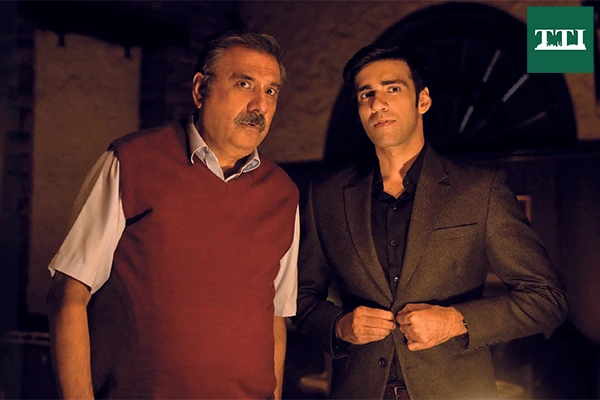
The Mehta Boys is a film that resonates because of its emotional honesty and strong character work. It is not a blockbuster spectacle; rather, it is a deeply human drama about real relationships and the complexities that define them. Its focus on nuanced storytelling, relatable conflicts, and heartfelt performances makes it a standout example of contemporary Indian cinema that moves beyond formulaic tropes.
Available on Amazon Prime Video with dubbed versions and subtitles in multiple languages, the film is accessible to a global audience and offers something meaningful for anyone interested in stories about family, connection, and personal growth.
Also read: