


India’s oil and gas sector plays a crucial role in powering the nation’s economy, providing energy for transportation, industry, and domestic consumption. By 2026, the sector has experienced significant developments in exploration, production, refining, and distribution, alongside increasing adoption of cleaner energy and technology-driven solutions. The industry faces a dynamic landscape shaped by global energy markets, domestic policy reforms, investment in infrastructure, and the push for sustainability. This article provides a detailed overview of India’s oil and gas sector, key trends, challenges, and future opportunities.

Overview of India’s Oil and Gas Sector
India is the third-largest energy consumer in the world, with oil and gas accounting for a substantial share of total energy consumption. The sector is segmented into three primary areas: upstream (exploration and production), midstream (transportation and storage), and downstream (refining and marketing).
Upstream Sector
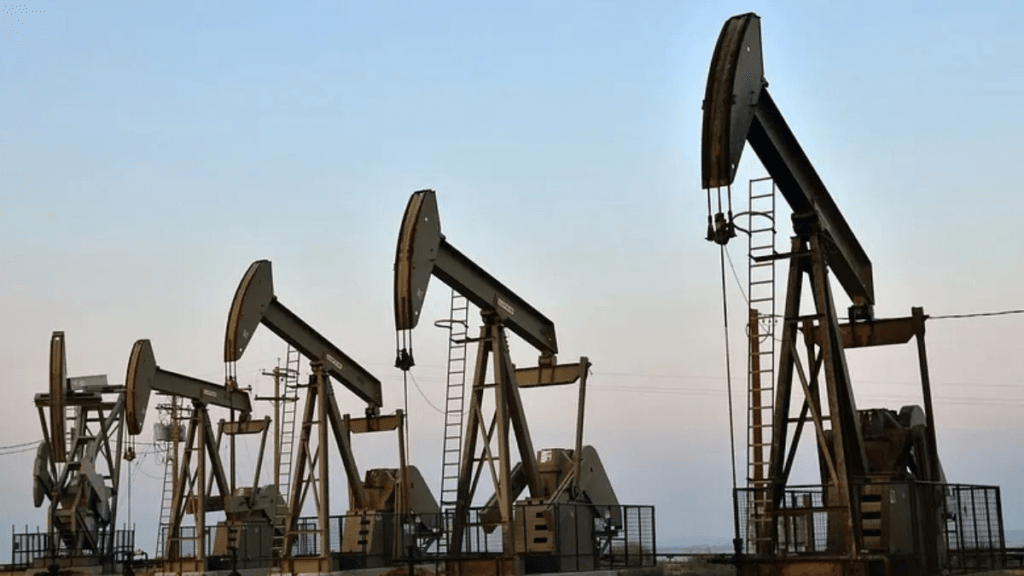
The upstream sector focuses on the exploration and production of crude oil and natural gas. India has several major oil and gas basins, including the Mumbai Offshore Basin, Krishna-Godavari Basin, and Cambay Basin, with exploration handled by companies such as ONGC (Oil and Natural Gas Corporation), Oil India Limited (OIL), and private players like Reliance Industries Limited (RIL).
Technological advancements, such as deep-water drilling, 3D seismic imaging, and enhanced oil recovery methods, have enabled improved exploration efficiency and production levels. India has also increasingly relied on international collaborations and foreign investments to access cutting-edge technologies and new hydrocarbon reserves.
Midstream Sector
The midstream segment involves the transportation, storage, and distribution of crude oil, natural gas, and refined products. Pipelines, terminals, and storage facilities are critical infrastructure components. The Gas Authority of India Limited (GAIL) and private companies manage an extensive network of natural gas pipelines, connecting production sites to industrial hubs and urban centers.
Recent initiatives, such as the Pradhan Mantri Urja Ganga pipeline project, aim to expand gas distribution in eastern India, enhancing access to cleaner energy and reducing dependence on imported LPG and natural gas.
Downstream Sector
The downstream sector focuses on refining crude oil into fuels such as petrol, diesel, kerosene, and aviation fuel, as well as petrochemicals. India has become one of the largest refining hubs globally, with companies like Indian Oil Corporation (IOC), Bharat Petroleum Corporation Limited (BPCL), and Hindustan Petroleum Corporation Limited (HPCL) operating large-scale refineries.
Refining capacity expansion, adoption of advanced technologies, and investment in petrochemical production have positioned India to meet domestic demand and increase exports. The government’s focus on energy security and fuel quality standards supports growth in this sector.
Key Trends in India’s Oil and Gas Sector
Several trends are shaping the Indian oil and gas sector by 2026:
1. Energy Transition and Sustainability
India is actively pursuing cleaner energy alternatives, reducing carbon emissions, and increasing natural gas utilization. Policies promoting liquefied natural gas (LNG), renewable energy integration, and biofuels are driving change in traditional oil and gas operations. Companies are adopting green practices in refining, reducing flaring, and investing in carbon capture and storage technologies.
2. Digital Transformation and Technology Adoption
Digital technologies such as IoT, AI, and predictive analytics are enhancing efficiency, safety, and operational monitoring. Upstream operations leverage data analytics for reservoir management, while refineries optimize processes through automation. Smart pipelines and remote monitoring reduce downtime and improve reliability across the value chain.
3. LNG Imports and Infrastructure Expansion
India relies on LNG imports to meet growing domestic gas demand. LNG terminals, storage facilities, and regasification units have been expanded in coastal regions to secure supply. Companies are investing in long-term contracts with global suppliers and enhancing domestic distribution networks to ensure energy security.
4. Private Sector Participation and FDI
Private companies and foreign investors are increasingly participating in exploration, production, refining, and petrochemicals. Reforms such as liberalized pricing, production-linked incentives, and streamlined approvals have created an attractive investment environment, driving competition and efficiency.
5. Strategic Petroleum Reserves and Energy Security
India has developed strategic petroleum reserves to safeguard against global supply disruptions and price volatility. Storage facilities in Vishakhapatnam, Mangaluru, and Padur enhance energy security and support long-term planning for crude imports and domestic production.

Challenges Facing the Sector
Despite growth, India’s oil and gas sector faces several challenges:
- Dependence on Imports: India imports over 80% of its crude oil, making the sector vulnerable to global price fluctuations and geopolitical risks.
- Environmental Concerns: Pollution, carbon emissions, and ecological risks from exploration and refining demand stricter regulations and sustainable practices.
- Infrastructure Bottlenecks: Pipeline capacity, storage limitations, and logistical inefficiencies hinder optimal distribution and utilization of resources.
- Regulatory Complexity: Compliance with multiple environmental, taxation, and safety regulations can slow project execution and increase costs.
- Technological Gaps: Advanced drilling, exploration, and refining technologies are capital intensive, and domestic adoption is still catching up to global standards.
Future Opportunities
The Indian oil and gas sector offers significant opportunities for growth and innovation:
1. Renewable Integration and Hybrid Energy Solutions
Combining traditional oil and gas operations with renewable energy projects, such as solar-powered refineries and hybrid fuel production, presents an opportunity to reduce carbon footprints and promote sustainability.
2. Expansion of Natural Gas Usage
Natural gas is a cleaner alternative to coal and oil. Expanding domestic distribution networks, promoting CNG for transport, and increasing industrial gas adoption can reduce emissions and improve energy efficiency.
3. Investment in Petrochemicals and Downstream Products
The demand for petrochemical products, including plastics, fertilizers, and specialty chemicals, is growing rapidly. Investments in modern refineries and petrochemical clusters will strengthen domestic production and exports.
4. International Collaborations and Technology Transfer
Partnerships with global energy companies can bring advanced exploration, drilling, and refining technologies to India, boosting efficiency and reducing dependence on imports.
5. Energy Storage and Strategic Reserves
Expanding storage facilities and investing in energy storage technologies ensures supply security, reduces vulnerability to price volatility, and supports India’s long-term energy strategy.

Conclusion
India’s oil and gas sector remains a cornerstone of the country’s energy infrastructure and economic development. Upstream exploration, midstream distribution, and downstream refining have all seen significant growth, supported by government reforms, private sector investment, and technology adoption.
By 2026, trends such as energy transition, digital transformation, LNG imports, and strategic petroleum reserves are reshaping the industry. While challenges like import dependence, environmental impact, infrastructure gaps, and regulatory complexity persist, opportunities in renewable integration, natural gas expansion, petrochemical production, and international collaborations make the sector an attractive and dynamic space.
As India balances energy security, economic growth, and environmental sustainability, the oil and gas sector will continue to play a pivotal role in powering the nation’s progress. Companies, investors, and policymakers must focus on innovation, infrastructure development, and strategic planning to capitalize on emerging opportunities and overcome challenges effectively.
FAQs
1. What are the key segments of India’s oil and gas sector?
The sector includes upstream (exploration and production), midstream (transportation and storage), and downstream (refining and marketing) operations.
2. How is India addressing its dependence on imported oil?
India is expanding domestic production, developing strategic petroleum reserves, investing in LNG infrastructure, and promoting energy efficiency and alternative fuels.
3. What role does technology play in the oil and gas sector?
Technology improves exploration accuracy, operational efficiency, safety, monitoring, and predictive maintenance, enhancing the overall performance of upstream, midstream, and downstream operations.
4. What are the future trends in India’s oil and gas industry?
Key trends include renewable energy integration, expansion of natural gas usage, investments in petrochemicals, international collaborations, and enhanced energy storage and strategic reserves.
Next Topic: Vikram (2022) Analysis: Kamal Haasan’s Action Masterpiece
Also Check: Make in India 2026 – Manufacturing Success & Challenges