


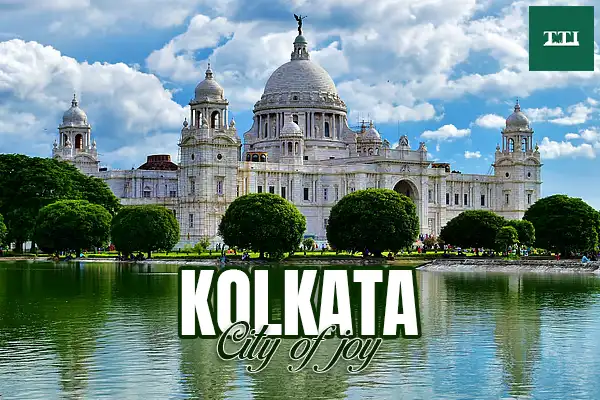
Kolkata, formerly known as Calcutta, is a city that doesn’t just exist in space; it exists in time. As the former capital of the British Raj and the long-standing cultural heart of India, it offers a sensory experience unlike any other metropolis. It is a place where grand colonial architecture stands side-by-side with bustling street markets, and where the frantic pace of modern life slows down for a leisurely cup of tea and a long political debate. Navigating this “City of Joy” requires an open heart and a bit of local know-how.
Essential Wisdom for the First-Time Visitor
To truly enjoy Kolkata, one must embrace its rhythm. The weather is a primary factor to consider. The most pleasant time to visit is during the winter months, from November to February, when the air is crisp and the city is alive with festivals, book fairs, and outdoor concerts. If you arrive during the summer or the monsoon, be prepared for intense humidity and sudden, heavy downpours that can transform the streets into shimmering rivers.
Transportation in Kolkata is an adventure in itself. The city boasts India’s oldest underground metro, which remains one of the cleanest and most efficient ways to travel north to south. For shorter distances, the iconic yellow Ambassador taxis are a must-try, though it is often wise to use ride-sharing apps to ensure a fixed fare. For a touch of nostalgia, hop on one of the few remaining wooden trams that creak through the old quarters—it is perhaps the most romantic way to see the city. While hand-pulled rickshaws still exist in certain pockets, many travelers prefer the more modern auto-rickshaws for quick, breezy hops through narrow lanes.
Kolkata is generally safe, but its density can be overwhelming. Dress conservatively, especially when visiting religious sites, where you will likely need to remove your shoes and cover your shoulders. Tipping is appreciated but not mandatory; in most restaurants, a 5-10% tip is standard if a service charge isn’t already included. Most importantly, don’t be afraid to engage with the locals. Kolkatans are famously talkative and take great pride in their city’s history and intellectual heritage.
A Three-Day Immersive Itinerary
Your first day should be dedicated to the grandeur of Central Kolkata. Start early at the Maidan, the city’s vast urban park, and walk toward the Victoria Memorial. This massive white marble edifice is a stunning blend of British and Mughal architecture and houses a museum that chronicles the city’s colonial past. Afterward, head to the nearby Indian Museum, the oldest and largest in India, to see its eclectic collection ranging from Egyptian mummies to ancient Buddhist stupas. End your day with a sunset stroll at Prinsep Ghat along the Hooghly River, where the illuminated Vidyasagar Setu bridge creates a modern silhouette against the darkening sky.
On the second day, travel north to explore the city’s soul. Visit the Jorasanko Thakur Bari, the ancestral home of the Nobel laureate Rabindranath Tagore. The house is now a museum that offers a deep dive into the Bengal Renaissance. From there, head to the Kumartuli district, the traditional potters’ quarter where artisans spend the year sculpting magnificent clay idols of gods and goddesses. As evening approaches, cross the majestic Howrah Bridge—a cantilevered marvel that serves as the city’s gateway—and visit the Mullick Ghat Flower Market, where the air is thick with the scent of thousands of marigolds.
Devote your final day to spirituality and modern leisure. Start at the Dakshineswar Kali Temple, located on the eastern bank of the river, and then take a short ferry ride across to Belur Math, the headquarters of the Ramakrishna Mission. The serene atmosphere here, with its architecture reflecting a harmony of all religions, provides a perfect moment of reflection. For your final evening, head to Park Street, the city’s premier dining and entertainment hub. Here, you can enjoy a sophisticated meal at a legendary eatery or soak in the vibrant nightlife that has defined Kolkata’s social scene for decades.
A Culinary Rite of Passage
You cannot leave Kolkata without surrendering to its food. Start your mornings with luchi (deep-fried flatbread) and alur dom (spicy potato gravy) from a street-side stall. For lunch, seek out an authentic Bengali “Thali” featuring the legendary Hilsa fish cooked in mustard paste or the comforting Kosha Mangso (slow-cooked mutton).
The street food here is unparalleled; the Kathi Roll was born here, and the Phuchka (hollow crispy balls filled with spicy tamarind water) is widely considered the best in the country. Finally, satisfy your sweet tooth with Mishti Doi (sweet fermented yogurt) and Rosogolla. In Kolkata, food is not just sustenance; it is a celebration of life itself.