


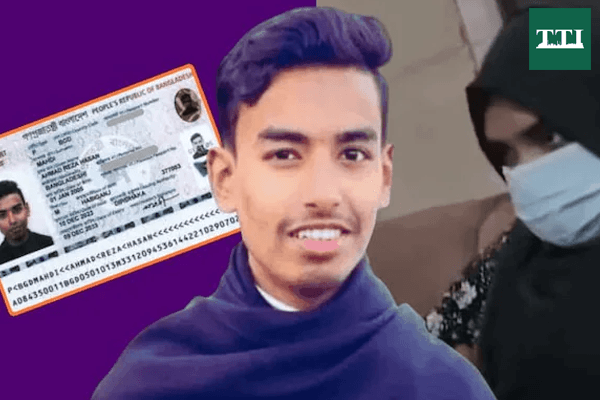
The charges against Mehdi stem from the chaotic period of civil unrest in Bangladesh during July 2024. During the height of the anti-government protests, a Hindu police officer was targeted and lynched by a mob—an act that sent shockwaves through the region and drew sharp criticism regarding the safety of religious minorities. Investigative leads consistently pointed toward Mehdi, then a high-ranking coordinator within the student protest movement, as a central figure who allegedly orchestrated the fatal assault. While many of his associates were apprehended shortly after the incident, Mehdi vanished, successfully crossing the border into India to avoid the legal repercussions of the uprising.
Background of the 2024 Murder Case
The case against Mehdi dates back to the height of the July 2024 uprising in Bangladesh, a period marked by widespread civil unrest and targeted violence. During this time, a Hindu police officer was lynched by a mob in a high-profile incident that sparked international condemnation and highlighted the vulnerability of minorities during the political transition.
Investigations by Bangladeshi authorities identified Mehdi, a influential figure within the student protest movement, as a primary instigator and participant in the killing. While several others were arrested in the aftermath, Mehdi managed to evade the law, allegedly crossing the border into India through illegal channels to seek refuge and plan his further escape.
Also Read: Tragedy on the Pitch: Veteran Umpire Manik Gupta Killed in Freak Bee Attack
Details of the Detention in Delhi
According to sources within the Indian security apparatus, Mehdi arrived at Delhi airport with the intention of boarding a flight to a European destination. His presence triggered an alert in the immigration system, which had been updated with lookout circulars for individuals involved in high-profile crimes in neighboring countries.
During questioning, officials found discrepancies in his travel documents and identity. Further verification confirmed that he was the wanted student leader from Bangladesh. Security agencies believe Mehdi had been hiding in various parts of India for several months before attempting to secure a passage out of the continent.
Allegations of Physical Abuse and Official Response
The detention took a controversial turn when Mehdi alleged that he was subjected to physical abuse by police personnel during his initial custody at the airport. These claims were reportedly made during his handover process. However, Indian officials have not officially commented on these allegations, maintaining that the detention was carried out following standard legal and security protocols for individuals with active warrants.
The detention underscores the heightened security vigilance at Indian ports of entry regarding political activists and suspects from Bangladesh following the fall of the Sheikh Hasina government and the subsequent rise of various student-led factions.
Deportation and Bilateral Implications
Following his detention and a brief period of interrogation by Indian intelligence agencies, Mehdi was deported back to Bangladesh. Indian authorities coordinated with the Bangladeshi interim government to ensure his safe transfer at the border. The decision to deport him swiftly reflects India’s commitment to not becoming a “safe haven” for those accused of violent crimes, especially those targeting religious minorities and law enforcement officers.
In Bangladesh, the news of his arrest and deportation has been met with mixed reactions. While human rights groups and minority advocates view this as a step toward justice for the murdered officer, supporters of the student movement have characterized the move as a crackdown on those who led the uprising.
Current Status of Minorities in Bangladesh
This incident occurs against a backdrop of ongoing concerns regarding the safety of Hindus and other minorities in post-uprising Bangladesh. The 2024 murder of the Hindu officer remains a symbol of the communal tensions that flared during the power vacuum. The interim government, led by Muhammad Yunus, has faced increasing pressure from the international community and India to ensure that perpetrators of such crimes are held accountable.
The capture of a high-profile suspect like Mehdi is expected to provide more leads into the network of individuals involved in the mob violence of 2024. For India, the incident serves as a reminder of the complex security challenges posed by the fluid political situation in its neighborhood, necessitating a balance between humanitarian concerns and the enforcement of international law.
Also Read: Udaipur’s Eternal Allure: Why Everyone Comes to the Lake City for Epic Weddings