


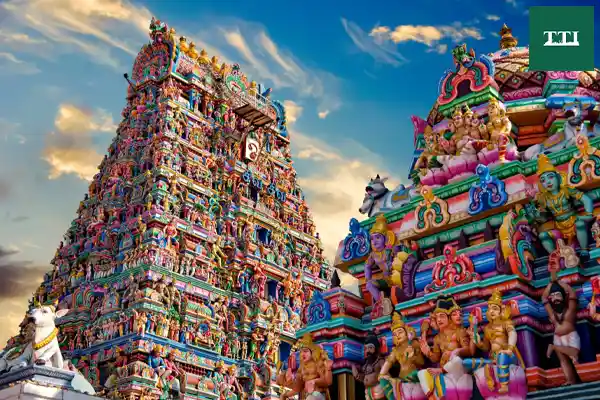
Chennai, formerly known as Madras, serves as the vibrant gateway to South India. It is a city where the scent of fresh jasmine and filter coffee mingles with the salty breeze of the Bay of Bengal. Unlike the high-octane pace of Mumbai or the historical gravity of Delhi, Chennai offers a unique blend of deep-rooted Tamil traditions and a growing cosmopolitan spirit. For the traveler, it presents a landscape of towering colorful temples, colonial-era architecture, and some of the finest culinary experiences in the country. To truly appreciate this coastal metropolis, one must look past the initial chaos of its streets to find the rhythmic charm that defines life in the South.
Planning Your Journey
Timing is the most critical factor when planning a trip to Chennai. The city is famous for its tropical climate, which can be categorized into “hot, hotter, and hottest.” To ensure a comfortable experience, aim to visit during the winter months from November to February. During this window, the humidity drops, and the breeze from the ocean makes exploring the city’s outdoor landmarks much more pleasant. This period also coincides with the Margazhi season, a month-long festival of Carnatic music and Bharatanatyam dance that turns the city into a global cultural hub.
When it comes to navigating the city, the Chennai Metro is your most reliable friend, offering air-conditioned relief from the traffic-heavy streets. For shorter distances, ride-sharing apps like Uber and Ola are widely used and safer than negotiating fares with independent auto-rickshaws. While Tamil is the heartbeat of the city, English is spoken fluently in most commercial and tourist areas, making it relatively easy for international travelers to communicate.
Also Read: Essential Ahmedabad: A Comprehensive Guide to India’s First Heritage City
The Iconic Landmarks of Chennai
Marina Beach Your introduction to Chennai should begin at Marina Beach, the second-longest urban beach in the world. Stretching nearly thirteen kilometers, the beach serves as the city’s primary social gathering spot. Rather than a place for swimming—which is discouraged due to strong currents—the Marina is a place for observation. In the early morning, you will see joggers and yoga practitioners, while the evenings transform the sands into a bustling carnival. Stroll along the promenade to see the various statues of Tamil icons, and don’t miss the chance to try local street snacks like spicy sundal or freshly fried fish from the stalls near the water’s edge.
Kapaleeshwarar Temple Located in the historic neighborhood of Mylapore, the Kapaleeshwarar Temple is a masterpiece of Dravidian architecture. Dedicated to Lord Shiva, the temple is instantly recognizable by its massive, intricately carved Gopuram (gateway tower) that depicts hundreds of mythological figures in vivid colors. The atmosphere here is one of profound devotion. Visitors are required to enter barefoot, and it is best to visit during the early morning hours when the air is cool and the rituals are most frequent. The surrounding streets of Mylapore are equally fascinating, filled with shops selling traditional silk sarees and religious artifacts.
Fort St. George To understand Chennai’s colonial history, a visit to Fort St. George is essential. Established by the British East India Company in 1644, it was the first English fortress in India. Today, the complex houses the Tamil Nadu Legislative Assembly, but it also contains the Fort Museum, which displays relics from the British Raj, including old uniforms, paintings, and letters. Within the fort walls stands St. Mary’s Church, the oldest Anglican church east of the Suez Canal, offering a quiet, shaded retreat from the city’s bustle.
San Thome Cathedral Basilica A short distance from the beach stands the shimmering white San Thome Cathedral. Built in the Neo-Gothic style by the Portuguese in the 16th century and later rebuilt by the British, it is one of only three churches in the world built over the tomb of an apostle of Jesus. The towering spires and stained-glass windows provide a sharp architectural contrast to the Hindu temples nearby, showcasing the city’s long history of religious diversity.
Government Museum, Egmore For history buffs, the Government Museum in Egmore is a treasure trove. Established in 1851, it is the second oldest museum in India. Its most prized possession is the Bronze Gallery, which houses an incredible collection of Chola-era bronzes, including the world-famous Nataraja (the dancing Shiva). The complex also includes a National Art Gallery and a children’s museum, housed in stunning Indo-Saracenic buildings that are works of art in themselves.
DakshinaChitra If you have a half-day to spare, take a drive down the East Coast Road to DakshinaChitra. This “living” heritage museum is a cross-cultural center that showcases the architecture and lifestyles of the four South Indian states. You can walk through relocated authentic traditional houses and watch artisans at work, making it the perfect place to buy high-quality, authentic handicrafts and textiles before you head home.
Chennai is a city that rewards the patient traveler. It does not demand your attention with flashy lights, but rather invites you to sit in a temple courtyard, sip a cup of steaming filter coffee, and witness a culture that has remained steadfast for centuries.
Also Read: Navigating the Cultural Capital: The Ultimate Pune Travel Guide