


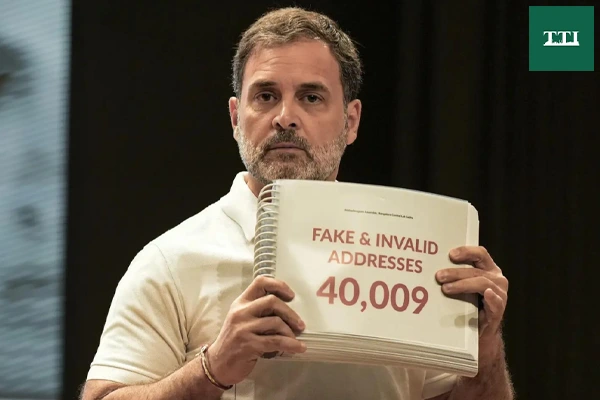
In recent months, the phrase “vote chori” (vote theft) has transitioned from a political slogan to a central theme in the national discourse. Leader of the Opposition Rahul Gandhi has consistently alleged that systematic manipulation is occurring within the Indian electoral system, specifically targeting voter rolls and the Special Intensive Revision (SIR) process. As the political temperature rises, the latest India Today-CVoter Mood of the Nation (MOTN) survey for January 2026 provides a deep dive into how these allegations are resonating with the common citizen.
Does the “Vote Chori” Allegation Matter to You?
The survey results indicate that Rahul Gandhi’s narrative has gained significant traction, with a majority of the population viewing it as a pertinent issue. According to the data, 40 per cent of respondents stated that the “vote chori” claims matter “a lot” to them. When combined with the 14 per cent who believe it matters “to some extent,” a total of 54 per cent of the electorate views these allegations as a relevant political concern.
However, the public remains divided. Approximately 27 per cent of those surveyed dismissed the claims entirely, stating they do not matter at all. A further 10 per cent felt that while the issue exists, it is secondary to more urgent national priorities like the economy or unemployment. Only 9 per cent of respondents remained undecided or chose not to comment on the matter. This suggests that while the Congress party has successfully injected the term into the public consciousness, it has not yet created a universal consensus.
Also Read: MOTN January 2026: NDA Consolidates Power in Assam as INDIA Bloc Faces Steep Decline
Is the Special Intensive Revision (SIR) Free of Political Bias?
One of the cornerstones of the “vote chori” allegation is the Special Intensive Revision (SIR) of voter lists. Rahul Gandhi has frequently claimed that this exercise is being misused to disenfranchise specific communities and favor the ruling party. The MOTN survey asked voters whether they perceived this administrative process to be neutral or politically motivated.
The findings show a narrow gap in public perception. Exactly 50 per cent of respondents believe the SIR process is free of political bias, expressing confidence in the Election Commission’s administrative integrity. Conversely, 38 per cent of the public believes the process is biased, echoing the opposition’s concerns. About 12 per cent of participants were unsure. This 38 per cent represents a significant skeptical minority, suggesting that the opposition’s focus on the technicalities of voter list management is finding an audience.
Are Elections in India Free and Fair?
Beyond specific allegations of “theft,” the survey gauged the foundational level of trust Indians have in their democratic machinery. Despite the intense rhetoric surrounding voter fraud and software manipulation, a majority of the country still holds the electoral process in high regard.
The data reveals that 57 per cent of respondents believe elections in India remain free and fair. This majority suggests that the institutional credibility of the Election Commission, while under fire, remains intact for more than half the population. On the other hand, 37 per cent of respondents expressed the view that elections are not free and fair. This figure is particularly striking as it indicates that more than one in three voters harbors fundamental doubts about the sanctity of the ballot box. A small margin of 6 per cent offered no opinion on the matter.
The Impact of the Narrative
The MOTN survey highlights a complex landscape for the 2026 political cycle. While the ruling NDA maintains a lead in leadership ratings and projected seat counts, the “vote chori” narrative has successfully tapped into a vein of skepticism regarding electoral transparency. For Rahul Gandhi, the challenge remains converting this 54 per cent concern into actual electoral gains. For the Election Commission and the government, the data underscores a pressing need to address the 37 per cent of the population that has lost faith in the fairness of the democratic process.
As the debate continues, these survey results suggest that the integrity of the vote is no longer just a procedural matter discussed in courtrooms or the Election Commission’s offices—it has become a defining issue for the Indian voter.