


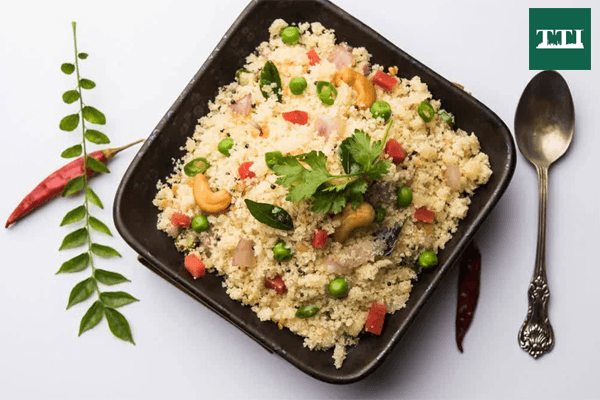
Upma, a quintessential South Indian breakfast dish, has long been celebrated for its simplicity, nutritional value, and comforting flavors. Traditionally made from semolina (also known as rava or suji), this savory porridge has evolved from a humble morning staple into a versatile meal enjoyed across the globe. Whether you are looking for a quick 20-minute breakfast or a light dinner, understanding the nuances of a perfect Upma can transform your culinary routine.
The Foundation of a Great Upma: Choosing and Preparing Rava
The secret to a fluffy, non-sticky Upma begins with the semolina itself. There are various types of rava available, but for the most authentic texture, many home cooks prefer Bombay Rava. Before the cooking process even begins, roasting the rava is a non-negotiable step. By dry roasting the semolina on a low to medium flame until it becomes crunchy and aromatic, you ensure that the grains remain distinct rather than clumping together when water is added. This preparatory step also enhances the nutty flavor of the wheat, providing a robust base for the spices to follow.
Tempering the Spices: The Heart of South Indian Flavor
In Indian cuisine, “tadka” or tempering is what defines the character of a dish. For Upma, this involves heating oil or ghee in a pan and introducing a symphony of textures and flavors. Mustard seeds and cumin seeds are usually the first to go in, popping and crackling to release their essential oils.
To provide a delightful crunch, split urad dal, chana dal, peanuts, and cashews are fried until they turn a golden brown. This is followed by the addition of aromatics: finely chopped ginger, sliced green chilies for a hint of heat, and fresh curry leaves. A pinch of hing (asafoetida) is often added at this stage to aid digestion and provide a unique savory depth.
Also Read: How to Make Authentic Butter Chicken: A Masterclass in Indian Chicken Makhani
Building the Flavor Base with Vegetables and Seasoning
Once the tempering is fragrant, sliced onions are sautéed until they turn transparent. While a basic Upma can be made with just onions, many variations include a medley of vegetables like carrots, peas, and green beans to increase the nutritional profile. In the “Tomato Upma” variation, deseeded tomatoes are cooked down until mushy, adding a tangy zest and a vibrant hue to the dish.
Salt is added at this stage, and it is a common professional tip to taste the water once it is added. The water should taste slightly salty—much like seawater—to ensure the rava is seasoned perfectly from within as it absorbs the liquid.
The Science of the Perfect Texture: The Water-to-Rava Ratio
Achieving the right consistency is perhaps the most challenging part of making Upma. The standard ratio is typically 2.5 to 3 cups of water for every 1 cup of rava, depending on whether you prefer a fluffy or a softer, more “melt-in-the-mouth” texture.
Once the water reaches a rolling boil, the heat is reduced to low. The roasted rava must be poured in a very slow, steady stream with one hand while the other hand stirs the water constantly. This technique is vital to prevent the formation of lumps. As the rava absorbs the water, the pan is covered, allowing the semolina to steam and cook through for a few minutes.
Finishing Touches and Serving Suggestions
A final drizzle of ghee before serving can elevate the dish, adding a rich aroma and silky mouthfeel. For a bright finish, a squeeze of fresh lemon juice and a garnish of coriander leaves are highly recommended.
Upma is rarely eaten alone; it is traditionally served with a variety of accompaniments. Popular choices include coconut chutney, peanut podi (spiced powder), or even a side of sugar for those who enjoy a sweet-and-savory contrast. For a more substantial meal, it can be paired with sambar or a simple pickle.
Modern Variations and Healthy Alternatives
While traditional rava remains the favorite, the concept of Upma has expanded to include various grains to suit modern dietary needs. Health-conscious versions using quinoa, oats, or whole jowar (sorghum) have gained popularity. Even leftover idlis can be transformed into “Idli Upma” by crumbling them and following a similar tempering process. These variations prove that while the ingredients may change, the technique of creating a flavorful, tempered grain dish remains a timeless pillar of Indian home cooking.