


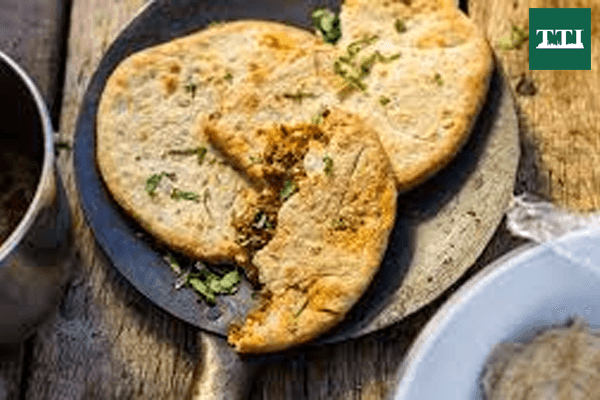
Keema Naan has long been a crown jewel of Indian cuisine, often reserved for dinner parties and special family gatherings. This flavorful flatbread, stuffed with savory minced meat, offers a sophisticated blend of textures—from the soft, fluffy exterior of the leavened dough to the rich, spiced interior of the keema. While traditionally the domain of professional chefs using clay tandoors, modern techniques have made it possible for home cooks to achieve restaurant-quality results using standard kitchen appliances.
About Keema Naan
Historically, Keema Naan is defined by its leavened dough, which typically relies on yeast or a combination of baking powder and baking soda for its characteristic rise. In a traditional setting, these breads are slapped against the scorching walls of a tandoor, where the intense heat creates a smoky char and an airy structure. However, in recent decades, the dish has evolved. Today’s recipes are adapted for electric ovens and stovetops, allowing for various shapes and thicknesses.
A key distinction in preparing this dish lies in the treatment of the meat. While some traditional versions use raw meat that cooks entirely inside the dough, many modern recipes favor pre-sauteing the keema with aromatics and ground spices. This method ensures the meat is perfectly tender and infused with deep flavor before it ever meets the dough, while also preventing the bread from becoming soggy during the final cooking process.
Also Read: Mastering the Art of Authentic Palak Paneer: A Step-by-Step Guide
Ingredients and Substitutes
Creating the perfect Keema Naan begins with high-quality ingredients. The stuffing usually features minced lamb or goat, though other red meats work well. For those preferring poultry, chicken or turkey can be substituted, provided the cooking time is reduced and moisture is carefully managed. The flavor profile is built upon a foundation of fresh ginger, garlic, and green chilies, complemented by a warm spice blend of cumin, coriander, turmeric, and garam masala. To add body and a touch of tang, sauteed onions and tomato paste or amchur (dried mango powder) are essential.
The dough itself relies on all-purpose flour for the “gold standard” texture, though health-conscious cooks can replace up to half of the flour with whole wheat for a denser, more nutritious bite. Dairy plays a crucial role; yogurt and milk are added to ensure the crumb remains soft and supple. While instant yeast provides the most reliable lift, a no-yeast version can be achieved using chemical leaveners. To finish, a brush of unsalted butter and a sprinkle of nigella seeds (kalonji) or sesame seeds add the final layer of aroma and crunch.
How to Make Keema Naan
The process begins with the dough. Dry ingredients are combined with yogurt, oil, and warm milk to form a soft, non-sticky ball. This dough requires diligent kneading—about eight to nine minutes—to develop the gluten necessary for a pliable texture. Once smooth, it is left to rise in a warm spot for approximately two hours until it has doubled in size.
While the dough proves, the keema is prepared. Onions and chilies are sauteed until golden, followed by the addition of ginger-garlic paste and the dry spice powders. The minced meat is then added and browned over medium-high heat. A small amount of hot water is introduced to simmer the meat until tender. It is vital to cook the mixture until all excess moisture evaporates, resulting in a dry, concentrated filling that won’t leak or make the dough heavy. Once cooled, the keema is divided into portions, ready for assembly.
Assembling and Rolling
Once the dough has risen, it is divided into equal portions and shaped into smooth rounds. Each ball is rolled into a small disc, and a generous scoop of the cooled keema is placed in the center. The edges of the dough are carefully gathered and sealed, encasing the meat perfectly. Before the final rolling, the stuffed balls are often allowed to rest briefly. To finish, the dough is rolled out into a six or seven-inch oval or circle, and fresh coriander and seeds are pressed into the surface for a professional aesthetic.
Oven Bake and Pan Toasting
There are two primary ways to cook the naan at home. For the oven method, the broiler is preheated to high. The naans are placed on a tray and baked for five to six minutes until the surface is golden and slightly charred. This high-heat environment mimics the tandoor, providing an excellent rise.
Alternatively, the stovetop method involves using a heavy-bottomed pan or tawa. The naan is cooked over medium heat for several minutes until the bottom is browned, then flipped to develop golden spots on the other side. For an extra touch of authenticity, the naan can be briefly held over an open gas flame using a wire rack to achieve a smoky, charred finish.
Expert Tips for Success
Achieving the perfect naan requires attention to detail. If using yeast, high heat is your best friend; however, if you prefer stovetop cooking, a dough leavened with baking powder and soda often yields a better texture. The choice of yogurt also matters; plain yogurt provides a neutral richness, whereas Greek or sour yogurt will impart a sharper tang. Finally, the keema filling can be made ahead of time and refrigerated or frozen, making the final assembly much faster for busy evenings. When served hot with a side of mint chutney or a fresh kachumber salad, Keema Naan remains an unrivaled favorite in the world of Indian breads.
Also Read: A Spicy Staple: The Art of Making Maharashtrian Thecha