


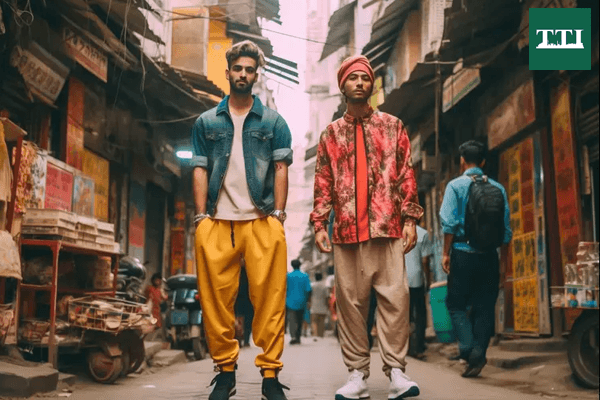
The bustling lanes of India’s iconic street markets have long been more than just commercial hubs; they are the informal academies where generations of Indians have honed their aesthetic sensibilities. From the narrow bylanes of Janpath in Delhi to the vibrant stalls of Colaba Causeway in Mumbai, these markets offer a tactile, high-stakes education in fabric, fit, and flair. The following exploration delves into how these open-air classrooms have democratized style and sharpened the collective fashion eye of a nation.
The Tactile Textbook of Textiles
In the absence of formal fashion schooling for the masses, street markets provided a hands-on curriculum in materiality. Navigating a market requires a physical engagement with the product that a luxury boutique or an e-commerce platform cannot replicate. Shoppers learn to distinguish between a genuine cotton-silk blend and a synthetic imitation simply by the temperature of the fabric or the way it catches the light.
This “eye” is developed through years of repetition. A shopper in Sarojini Nagar isn’t just looking for a garment; they are scanning for quality amidst quantity. This process trains the brain to recognize intricate patterns, the strength of a seam, and the drape of a silhouette within seconds. It is a form of visual literacy that values the intrinsic quality of the garment over the prestige of the label.
Also Read: T20 World Cup Match 30: Nissanka’s Historic Ton Powers Sri Lanka Past Australia
The Art of the Hunt and the Curation of Identity
Unlike the curated experience of a mall, street markets demand an active role from the consumer. One must “sift” to find the “shift.” This necessity of digging through piles of surplus and export-reject clothing has turned the average shopper into an editor. They are not merely consuming trends; they are identifying potential.
This environment fosters a unique sense of individualism. When everything is one-of-a-kind (due to the nature of export surplus), the “fashion eye” learns to look for pieces that can be repurposed or styled in unconventional ways. A generation raised in these markets doesn’t just wear an outfit; they assemble a look. This has led to a national penchant for “high-low” styling—pairing a roadside find with a designer accessory—long before it became a global runway trend.
Negotiating Value: The Psychology of the Bargain
The “fashion eye” is inextricably linked to an understanding of value. The ritual of bargaining is an exercise in appraisal. To successfully negotiate, a shopper must accurately judge the cost of production, the scarcity of the design, and the current market trend.
This constant mental calculation has created a consumer base that is incredibly savvy about the “price-to-style” ratio. It has forced the Indian fashion industry to remain competitive and grounded, as the domestic audience has a built-in radar for overpricing. The street market taught a generation that style is not a luxury reserved for the elite, but a skill accessible to anyone with the patience to look and the wit to negotiate.
A Masterclass in Global Trends
Historically, Indian street markets have served as the frontline for global fashion shifts. Because many of these markets deal in export surplus from international brands, Indian shoppers often had access to silhouettes and prints intended for European or American markets before they were locally available in retail.
Exposure to these global rejects allowed the Indian middle class to experiment with Western aesthetics on their own terms. It created a hybrid style—often called Indo-Western—that became the hallmark of modern Indian identity. By dissecting these global trends in a local context, the Indian fashion eye became adept at “translating” international fashion to suit local sensibilities, climates, and body types.
The Legacy of the Open-Air Academy
The influence of these markets extends far beyond the streets. Many of India’s leading contemporary designers and stylists cite their early forays into these markets as their primary inspiration. The ability to spot a diamond in the rough, to understand the geometry of a garment, and to celebrate the chaotic beauty of color are all lessons learned under the tarpaulin roofs of these bazaars.
As the retail landscape shifts toward digital platforms, the legacy of the street market remains. It has left behind a generation that views fashion not as a finished product to be bought, but as a puzzle to be solved. The street markets of India didn’t just sell clothes; they sold the confidence to look at the world with a discerning, creative, and unapologetically individualistic eye.
Also Read: The Ultimate Canvas: 2026 Met Gala Dress Code Revealed