


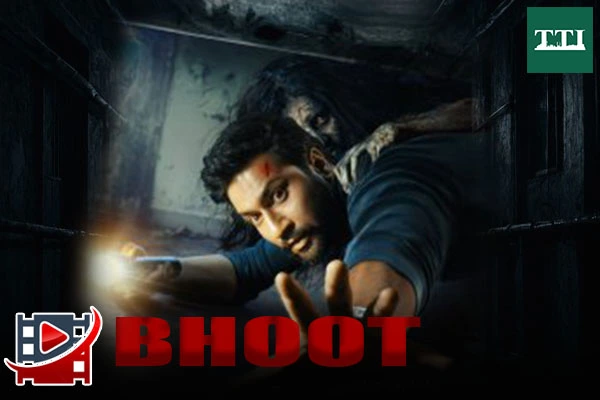
Released in 2003 and directed by Ram Gopal Varma, Bhoot is widely regarded as one of the most terrifying films in Indian horror cinema. Unlike many Bollywood horror films that rely on visual effects, gore, or clichéd jump scares, Bhoot uses silence, atmosphere, and subtle storytelling to evoke fear. The film’s minimalist approach and focus on psychological terror set it apart, making it a benchmark for modern Indian horror.
Plot and Psychological Horror
Bhoot tells the story of a young couple, Prithvi (Ajay Devgn) and Swati (Urmila Matondkar), who move into a new apartment, unaware that it is haunted. Strange occurrences begin almost immediately, culminating in violent and inexplicable events that test the boundaries of reality and perception. Swati starts exhibiting erratic behavior, leading Prithvi to uncover the dark past of the apartment and its previous occupants.
The film’s horror derives not from elaborate effects but from the psychological tension between the known and unknown. The audience experiences fear through suggestion, atmosphere, and the unpredictability of events. By focusing on the human mind’s reaction to fear and uncertainty, Bhoot elevates suspense beyond mere visual shocks.
Cast and Performances
The cast of Bhoot delivers performances that are both intense and believable, adding to the film’s chilling effect. Ajay Devgn portrays Prithvi with restrained intensity, conveying fear, confusion, and determination as he navigates the terrifying events. Urmila Matondkar’s performance as Swati is particularly noteworthy; she embodies vulnerability, terror, and eventual possession with exceptional authenticity. Nana Patekar and other supporting actors enhance the tension by contributing to the narrative’s grounded, realistic feel.
The chemistry between the leads and their ability to react convincingly to supernatural occurrences play a crucial role in sustaining the film’s suspense. The actors’ performances make the audience emotionally invested, heightening the impact of the horror.
Silence and Cinematic Technique
One of Bhoot’s most distinctive features is its use of silence. Ram Gopal Varma employs minimal background music during critical sequences, allowing ambient sounds and silence to amplify tension. This approach creates a sense of dread, as viewers anticipate events that may or may not occur. The contrast between silence and sudden sounds or movement keeps the audience on edge, demonstrating that fear is most effective when suggested rather than explicitly shown.
Cinematography further contributes to the eerie atmosphere. Dark interiors, shadows, and confined spaces emphasize isolation and vulnerability. Long takes and slow pans allow suspense to build gradually, making sudden events more impactful. The film’s attention to visual detail ensures that even mundane actions, like opening a door or walking down a corridor, become tense moments.
Impact and Reception
Bhoot was both a commercial and critical success, praised for its innovative approach to horror and its focus on psychological terror. Critics highlighted the film’s originality, performances, and technical execution, particularly the use of silence and atmosphere. The movie challenged conventional Bollywood horror formulas and inspired future filmmakers to explore subtle and psychological approaches to fear.
The film’s success also contributed to Ram Gopal Varma’s reputation as a director who could craft effective horror without relying on cheap gimmicks. Bhoot remains a reference point for filmmakers and audiences seeking suspenseful and intelligent horror in India.
Conclusion
Bhoot stands out as a masterpiece of Indian horror due to its unique use of silence, psychological tension, and strong performances. By focusing on atmosphere rather than explicit effects, the film creates a pervasive sense of fear that lingers with viewers. It demonstrates that horror in Indian cinema can be sophisticated, intelligent, and emotionally resonant. For anyone interested in psychological and supernatural horror, Bhoot remains essential viewing.
FAQs
1. What is the plot of Bhoot?
Bhoot follows Prithvi and Swati as they encounter terrifying supernatural events in their new apartment, uncovering its dark past.
2. Who are the main actors in Bhoot?
The film stars Ajay Devgn and Urmila Matondkar, with supporting performances by Nana Patekar and others.
3. What makes Bhoot unique in Indian horror?
It relies on psychological tension, silence, and atmosphere rather than jump scares or gore, creating a subtle but intense horror experience.
4. How does the film use silence effectively?
Silence and minimal background music amplify suspense, allowing the audience’s imagination to enhance the fear.
5. Was Bhoot successful commercially?
Yes, it was both a critical and commercial success, praised for its originality and innovative approach to horror.
6. Who directed Bhoot?
The film was directed by Ram Gopal Varma, known for his contributions to Indian horror cinema.
Next Topic: Pari: A Dark Fairytale That Redefined Horror in Bollywood
Also Check: Raaz: How One Film Changed Supernatural Horror in India