


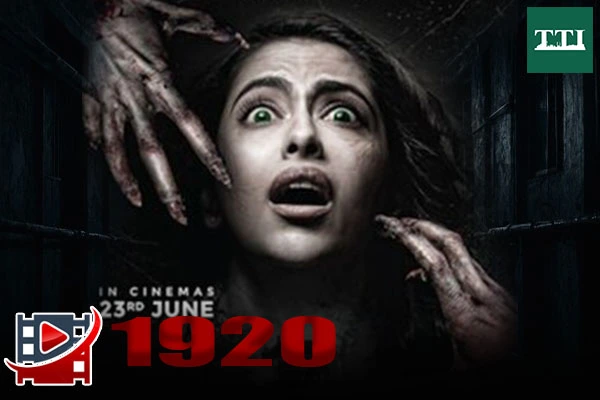
Released in 2008 and directed by Vikram Bhatt, 1920 is a landmark in Bollywood horror, blending gothic aesthetics, supernatural possession, and a period setting to deliver a chilling cinematic experience. The film is credited with reviving the possession subgenre in Indian cinema and remains influential for its atmospheric tension, compelling performances, and haunting visuals.
Plot Overview and Gothic Atmosphere
1920 is set in the early 20th century, during the British Raj. The story follows Arjun Singh (Rajneesh Duggal) and Smriti (Adah Sharma), a married couple who move into a secluded mansion to start a new life. However, their home is far from ordinary. Smriti begins to experience terrifying supernatural events, including possession by a malevolent spirit linked to the mansion’s dark history.
The gothic horror elements are central to the film. The mansion’s architecture, foggy surroundings, and shadow-filled corridors evoke a sense of dread and isolation. The film’s supernatural narrative is closely tied to the emotional lives of the characters, particularly the love and devotion between Arjun and Smriti, making the horror both terrifying and emotionally engaging.
Cast and Performances
Rajneesh Duggal, playing Arjun Singh, delivers a performance that balances fear, courage, and emotional vulnerability. His portrayal of a husband confronting supernatural forces to save his wife grounds the narrative in human emotion, making the horror more impactful.
Adah Sharma, as Smriti, gives a powerful performance, convincingly portraying fear, confusion, and the gradual influence of possession. Her expressions and physicality bring authenticity to the supernatural events, allowing the audience to empathize with her plight.
Supporting actors, including Raj Zutshi as the spiritual guide, add depth to the narrative by providing guidance and context for the supernatural occurrences. The chemistry between Duggal and Sharma strengthens the emotional core, ensuring that the horror resonates beyond mere jump scares.
Gothic Visuals and Cinematography
The film’s visual style plays a crucial role in creating suspense. The mansion’s dim lighting, intricate architecture, and expansive yet claustrophobic interiors establish a gothic atmosphere. Shadows, fog, and sudden shifts in perspective make the setting itself a character, enhancing the sense of unease.
Long takes, slow camera movements, and carefully composed shots build tension gradually, while close-ups capture the characters’ fear and vulnerability. The visual symbolism, such as mirrors, flickering lamps, and blood-red accents, reinforces the gothic and supernatural tone.
Music, Sound Design, and Atmosphere
The haunting soundtrack and sound design are pivotal to 1920’s horror. Composed by Chirantan Bhatt, the music complements the gothic visuals, using eerie melodies, minimalistic scores, and silence to amplify suspense. Ambient sounds like footsteps, whispers, and creaking doors heighten the tension, making the audience anticipate danger even before it appears.
Unlike conventional Bollywood horror, which often relies on loud jump scares, 1920 emphasizes psychological terror, using sound and atmosphere to evoke fear. This approach creates a more immersive experience that keeps viewers on edge throughout the film.
Themes and Emotional Depth
Beyond supernatural horror, 1920 explores themes of love, sacrifice, and courage. Arjun’s determination to save Smriti emphasizes emotional stakes that make the horror more compelling. The possession subplot also raises questions about fate, morality, and the struggle between good and evil.
By combining gothic horror with emotional storytelling, the film ensures that audiences are invested in the characters’ survival. The horror is not just visual but also psychological, leaving a lingering impact on viewers.
Impact on Indian Horror Cinema
1920 revitalized the possession subgenre in Bollywood and inspired sequels such as 1920: Evil Returns and 1920 London. Its success demonstrated that horror films with gothic aesthetics, emotional depth, and period settings could resonate with Indian audiences.
The film influenced other filmmakers to explore similar themes, emphasizing atmosphere, psychological tension, and storytelling over reliance on cheap scares. Its impact continues to shape Indian horror cinema, particularly in the portrayal of possession and supernatural phenomena.
Conclusion
1920 remains a milestone in Indian horror, blending gothic visuals, supernatural possession, and strong emotional storytelling. The performances by Rajneesh Duggal and Adah Sharma, combined with atmospheric cinematography and sound design, create a chilling experience that resonates with audiences. By reviving the possession subgenre, 1920 set a standard for horror films in India and left a lasting legacy in Bollywood’s supernatural cinema.
FAQs
1. What is the plot of 1920?
1920 follows Arjun and Smriti as they move into a haunted mansion, where Smriti is possessed by a malevolent spirit, and Arjun must save her.
2. Who are the lead actors in 1920?
Rajneesh Duggal stars as Arjun Singh, and Adah Sharma plays Smriti, supported by Raj Zutshi.
3. What makes 1920 unique in Indian horror?
It combines gothic visuals, period setting, emotional stakes, and psychological possession rather than relying solely on jump scares.
4. How does the film create a gothic atmosphere?
Through dim lighting, foggy exteriors, shadowed interiors, and symbolic visuals like mirrors and flickering lamps.
5. Was 1920 successful?
Yes, it was a commercial and critical success, spawning sequels and influencing Bollywood horror.
6. Who directed 1920?
Vikram Bhatt directed the film, combining gothic horror with emotional storytelling and psychological tension.
Next Topic: Arundhati: Folklore, Fear, and a Powerful Female-Led Horror Story
Also Check: Kanchana: Horror, Comedy, and Emotion That Won Indian Audiences