


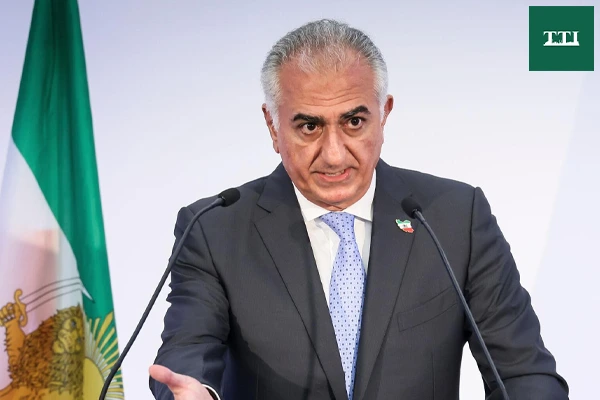
In a significant escalation of rhetoric following weeks of internal turmoil in Iran, exiled Crown Prince Reza Pahlavi has issued a direct appeal to his compatriots, urging a return to nationwide street protests. The message, broadcast from his base in the United States, comes at a critical juncture for the Iranian opposition as it attempts to maintain momentum in the face of a severe and lethal state crackdown.
A Call to Reclaim the Streets
Reza Pahlavi, the son of Iran’s last Shah and a leading figure in the fractured opposition movement, utilized social media to deliver a rallying cry to the Iranian public. In a message posted on Friday on X (formerly Twitter), he urged citizens to “raise your voices of anger and protest” and return to public squares from Saturday through Monday.
Addressing those he described as “brave compatriots,” the Prince emphasized that the eyes of the international community are firmly fixed on the struggle within Iran. He suggested that sustained presence on the ground would lead to “clearer and more practical support” from the world for what he termed a “national revolution.” This call to action follows a period of uneasy calm that settled over the country after a wave of demonstrations—which began in late December over economic grievances—rapidly transformed into a broad challenge against clerical rule.
Also Read: Has Khamenei Crushed Iran Protests Using 5,000 Brutal Foreign Fighters?
The Human Toll of the Crackdown
The urgency of Pahlavi’s message is underscored by the staggering reports of violence emerging from the region. While the Iranian government has maintained a tight grip on information through internet blackouts and restricted media access, opposition groups have reported one of the bloodiest suppressions of dissent since the 1979 revolution. According to figures cited by opposition sources, more than 2,600 people have been killed in the recent unrest.
In addition to the high death toll, the state’s response has been characterized by mass arrests and the deployment of specialized security units. Pahlavi further alleged that the government has utilized foreign militia fighters to quell the domestic uprising. Despite these measures, Pahlavi claimed that the security apparatus is not entirely unified, stating during a news conference in Washington that certain segments of Iran’s security forces had refused to participate in the lethal crackdown against their own citizens.
Diplomatic Pressure and the Role of the International Community
Beyond mobilizing the Iranian public, Pahlavi is actively campaigning for a more aggressive international response. He has advocated for the global community to move beyond rhetorical support and take decisive action against the state’s repressive infrastructure. Specifically, he has called for targeted measures against the Islamic Revolutionary Guard Corps (IRGC) and advocated for a “surgical strike” approach designed to dismantle the command-and-control systems the government uses to monitor and suppress protesters.
“The Iranian people are taking decisive action on the ground,” Pahlavi stated, “It is now time for the international community to join them fully.”
Easing Military Tensions and Halted Executions
The geopolitical landscape surrounding the protests remains volatile. US President Donald Trump recently indicated that the risk of a direct military strike appeared to have eased, noting that reports suggested the pace of killings within Iran was slowing. However, military assets remain stationed in the region as a deterrent.
In a notable development, President Trump expressed respect for the Iranian leadership’s decision to cancel over 800 scheduled hangings. These executions, which were set to take place following the mass arrest of protesters, had drawn sharp warnings of “very strong action” from Washington. The cancellation of these mass hangings has provided a temporary reprieve in the humanitarian crisis, though the threat of further judicial retaliation against detainees remains a primary concern for human rights advocates.
The Path Forward for the Iranian Opposition
As the weekend approaches, the world watches to see if Pahlavi’s call will resonate with a population that has already suffered significant losses. The opposition faces the daunting task of converting sporadic unrest into a sustained political movement capable of weathering the state’s security apparatus. For Reza Pahlavi, the upcoming days represent a pivotal test of the Iranian people’s resolve and the efficacy of his leadership from exile in steering the course of the nation’s future.
Also Read: Match Report: TATA WPL 2026, Match 2 – Giants Clinch High-Scoring Thriller Against Warriorz