


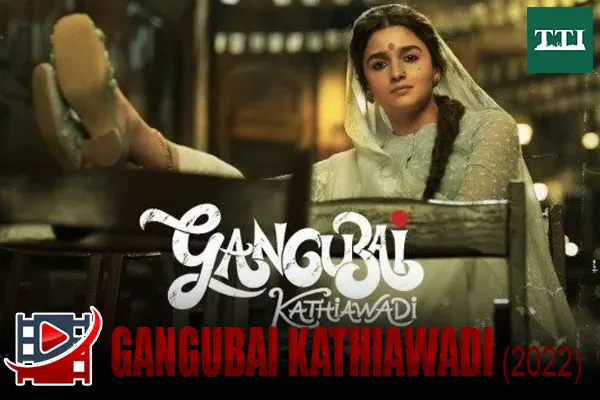
Gangubai Kathiawadi, released in 2022, is a Hindi-language biographical crime drama that tells the remarkable story of one of India’s most influential women in the red-light district of Kamathipura, Mumbai. Directed by Sanjay Leela Bhansali and starring Alia Bhatt in the titular role, the film is based on a chapter from the book Mafia Queens of Mumbai by Hussain Zaidi. The narrative explores Gangubai’s transformation from a young woman sold into prostitution to a powerful figure who advocated for the rights of sex workers. The film combines historical storytelling with cinematic grandeur, while Alia Bhatt’s performance anchors the story, drawing both critical acclaim and audience appreciation.

Alia Bhatt’s Transformative Performance
Alia Bhatt’s portrayal of Gangubai is widely regarded as her most mature and intense performance to date. She embodies Gangubai’s resilience, courage, and emotional complexity, delivering a nuanced performance that captures both vulnerability and strength. From the quiet moments of introspection to fiery confrontations with corrupt authorities, Bhatt’s acting showcases a remarkable range. She fully immerses herself in the character, reflecting Gangubai’s struggles, ambitions, and moral courage. Her diction, body language, and expressions reflect meticulous preparation and research, making the portrayal authentic and compelling. Critics have praised her ability to convey deep empathy while commanding the screen with confidence, highlighting her growth as one of Bollywood’s leading actors.
The Story and Its Historical Context
Gangubai Kathiawadi’s story is rooted in real events, set during the 1960s and 1970s in Mumbai. The film traces the journey of a young woman forced into prostitution who rises to become a powerful and respected figure within the community. Gangubai advocates for the rights of sex workers, fights exploitation, and gains influence among political and social circles. The narrative highlights the socio-economic realities of the time, including gender inequality, lack of legal protection, and systemic corruption. By bringing these historical details to the forefront, the film educates viewers about the challenges faced by women in marginalized professions and celebrates the courage of those who fought for justice.

Direction, Cinematography, and Production Design
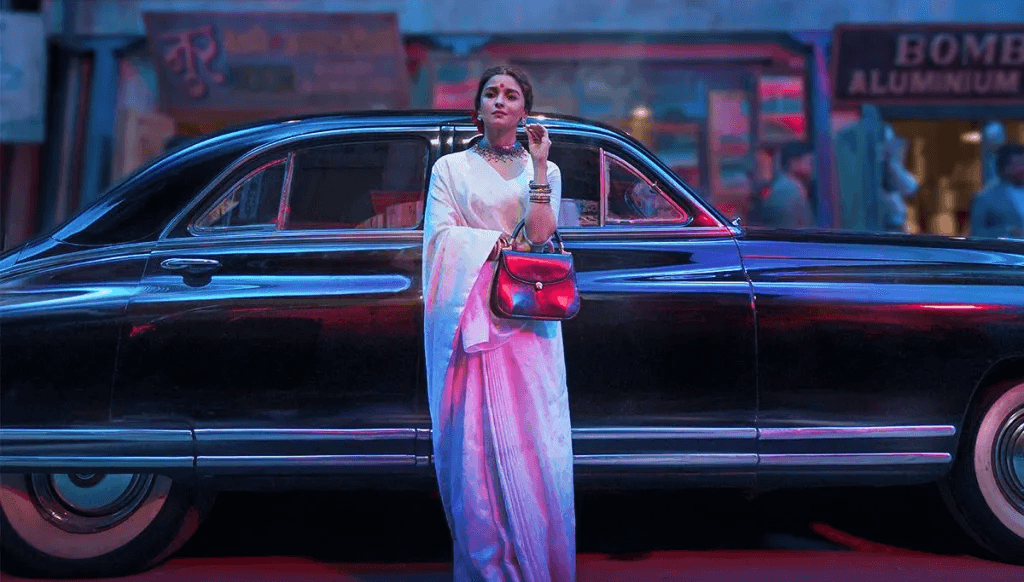
Sanjay Leela Bhansali’s direction is a key strength of the film. Known for his visually opulent style, Bhansali blends historical realism with cinematic extravagance. The production design meticulously recreates Kamathipura’s streets, capturing the textures, colors, and vibrancy of the era. Costumes, props, and set pieces further enhance authenticity, immersing the audience in the time period. Cinematographer Sudeep Chatterjee’s framing and lighting emphasize both grandeur and intimacy, allowing viewers to experience Gangubai’s personal journey alongside the social and political environment. The background score and music, composed by Sanjay Leela Bhansali, complement the narrative by heightening emotional moments without overwhelming the story. This careful combination of direction, visuals, and sound creates a cinematic experience that is both engaging and informative.
Themes and Social Impact
Gangubai Kathiawadi explores themes of empowerment, justice, and resilience. At its core, the film emphasizes the importance of giving a voice to marginalized women. Gangubai’s advocacy for sex workers’ rights resonates beyond the screen, shedding light on ongoing societal issues in India related to gender, exploitation, and legal protection. The film also examines moral complexities, showing that courage often emerges in challenging circumstances and that systemic change requires determination, negotiation, and sacrifice. By portraying a historical figure who became a symbol of empowerment, the movie inspires audiences to consider issues of social justice while appreciating the personal strength needed to challenge societal norms.
Critical Reception and Cultural Relevance
Upon release, Gangubai Kathiawadi received widespread critical acclaim, particularly for Alia Bhatt’s performance. Critics highlighted her ability to bring depth, charisma, and authenticity to a real-life character while maintaining emotional resonance throughout the film. The movie was praised for its narrative structure, production design, and sensitive treatment of difficult subject matter. Culturally, the film sparked conversations about the status of sex workers in India and the historical figures who fought for their rights. By blending cinematic storytelling with social commentary, Gangubai Kathiawadi appeals to audiences interested in historical biopics, women’s empowerment, and Indian socio-cultural history.
Conclusion
Gangubai Kathiawadi stands as a significant contribution to contemporary Bollywood cinema, offering both entertainment and meaningful insight into India’s social history. Alia Bhatt’s performance elevates the film, ensuring that Gangubai’s story is told with dignity, empathy, and power. Through its combination of historical context, narrative depth, and cinematic excellence, the film engages viewers while shedding light on real-world issues surrounding marginalized communities. For audiences seeking a compelling biographical drama with strong performances and social relevance, Gangubai Kathiawadi delivers a cinematic experience that resonates long after the credits roll.
FAQs
- Is Gangubai Kathiawadi based on a true story?
Yes, the film is inspired by the real-life story of Gangubai, a prominent figure in Kamathipura, as documented in the book Mafia Queens of Mumbai. - Who plays Gangubai in the film?
Alia Bhatt plays the lead role, delivering a critically acclaimed performance that captures the character’s resilience and strength. - What are the key themes of the film?
The film explores empowerment, justice for marginalized women, courage, and social reform in India’s historical context. - How was the film received by critics and audiences?
Gangubai Kathiawadi received widespread acclaim for its performances, direction, production design, and sensitive portrayal of historical events.
Next Topic: Bheemla Nayak (2022) – Power-Packed Action Scenes
Also Check: Soorarai Pottru (2020) – Based on Real Life: True Story Behind the Film