


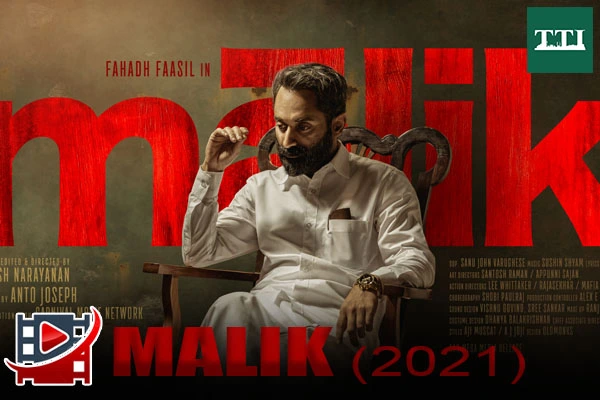
Malik (2021) is a Malayalam political thriller directed by Mahesh Narayanan, featuring Fahadh Faasil in the lead role. The film intricately weaves personal, political, and social narratives, exploring themes of power, justice, communal harmony, and leadership. Praised for its compelling storytelling, nuanced performances, and socio-political commentary, Malik stands out in Malayalam cinema as a thought-provoking yet gripping thriller. Its narrative spans decades, chronicling the life of Sulaiman Malik, a man who rises from humble beginnings to become a powerful community leader, navigating crime, corruption, and moral dilemmas along the way.

Storyline and Narrative Structure
The story of Malik revolves around Sulaiman Malik, a man born into a marginalized coastal community. The narrative spans multiple generations, depicting the evolution of his community, political struggles, and personal relationships. Malik grows up witnessing systemic injustice, which motivates him to fight for the welfare of his people. As he gains influence and power, he must balance leadership responsibilities with personal ethics, family ties, and the moral ambiguities inherent in politics.
The film’s non-linear narrative structure allows viewers to witness past and present events simultaneously, creating suspense and emotional depth. Key flashbacks provide insight into Malik’s formative experiences, motivations, and the socio-political factors that shaped his community. By interweaving personal and political storylines, the film creates a multi-dimensional portrait of its protagonist, making audiences invest emotionally in both his victories and struggles.
Fahadh Faasil’s Performance and Character Portrayal
Fahadh Faasil delivers a career-defining performance as Malik, portraying the character with intensity, restraint, and charisma. He captures the complexity of a man who is both revered and feared, balancing warmth and authority, compassion and ruthlessness. Fahadh’s nuanced expressions, voice modulation, and controlled body language bring authenticity to Malik’s journey, making the character believable and compelling.
Supporting actors enhance the narrative by portraying allies, adversaries, and community members with depth. Their interactions with Malik highlight societal conflicts, familial expectations, and political rivalries, enriching the film’s texture. The ensemble cast’s performances, combined with strong character development, ensure that every subplot contributes meaningfully to the main narrative.

Political Themes and Social Commentary
Malik excels in exploring socio-political themes relevant to contemporary India. It addresses issues such as communal tension, political manipulation, corruption, and the exploitation of marginalized communities. The film portrays Malik’s leadership as both inspiring and morally complex, showing that effective leadership often involves navigating ethical dilemmas, balancing justice with pragmatism, and protecting the vulnerable while managing power dynamics.
Communal harmony is a recurring theme, with Malik’s character striving to unite his community despite external pressures and internal divisions. The film also critiques political opportunism and systemic failures, reflecting broader societal issues while maintaining focus on individual agency and moral responsibility. By engaging with these themes, Malik transcends conventional political thrillers, offering a narrative that is both entertaining and socially relevant.
Action, Suspense, and Cinematic Techniques
The film’s action sequences are grounded in realism, emphasizing strategy, tension, and consequences rather than spectacle alone. Shootouts, confrontations, and community clashes are choreographed to enhance narrative impact, highlighting character decisions and moral stakes. Suspense is sustained through tight editing, careful pacing, and the interweaving of past and present events, keeping viewers engaged throughout the runtime.
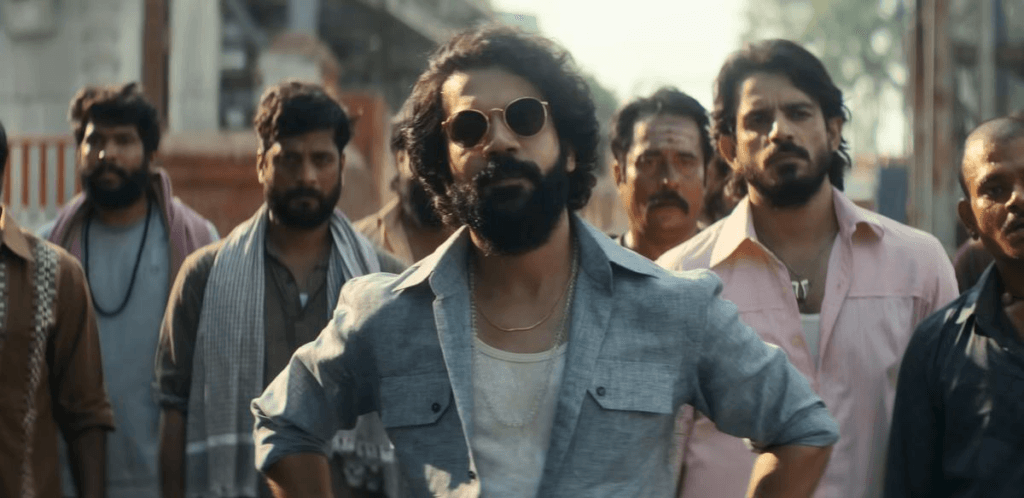
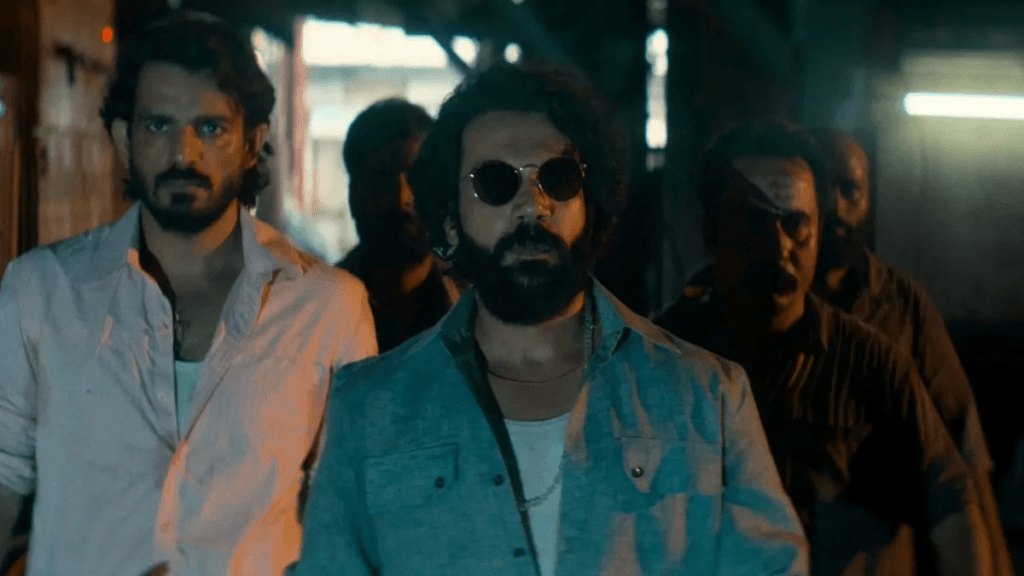
Cinematography by Girish Gangadharan is notable for its atmospheric framing, use of natural light, and attention to coastal landscapes, creating a sense of place and authenticity. Long takes and wide shots convey the scale of events, while close-ups capture emotional intensity. Visual composition is complemented by color grading that shifts to reflect narrative tone, from tension-filled sequences to reflective, intimate moments.
Music and Sound Design
Prashant Pillai’s music and sound design play a vital role in shaping the film’s mood. Background scores accentuate suspense, heighten emotional beats, and underscore critical plot developments. The music is strategically sparse at times, allowing silence to convey tension or introspection, and energetic when reflecting community gatherings or conflict sequences. Combined with sound effects that enhance realism, the auditory elements immerse viewers in the world of Malik.
Themes of Morality and Leadership
At its core, Malik explores the moral responsibilities of leadership. Malik’s character faces ethical dilemmas in protecting his community, navigating political corruption, and addressing personal grievances. The film raises questions about justice, loyalty, and the sacrifices required to lead effectively. By presenting Malik as a complex individual rather than a stereotypical hero, the film challenges audiences to consider the nuances of power, responsibility, and morality in leadership roles.
Family dynamics are also central to the narrative, with Malik’s relationships with his parents, spouse, and children reflecting the tension between personal desires and communal obligations. The balance between familial love and political ambition adds depth to the story, making it relatable and emotionally resonant.
Audience Reception and Critical Acclaim
Malik received critical acclaim for its storytelling, performances, and technical excellence. Fahadh Faasil’s portrayal of Malik was widely praised, along with the film’s cinematography, editing, and socially relevant themes. Audiences appreciated the combination of gripping narrative, realistic action, and moral complexity. The film sparked discussions on political leadership, communal issues, and ethical decision-making, demonstrating its cultural and cinematic impact.
The film’s success also highlighted Malayalam cinema’s ability to blend commercial appeal with meaningful social commentary. By presenting a layered, character-driven political thriller, Malik set a benchmark for films that aspire to entertain while provoking thought and reflection.
Conclusion
Malik (2021) is a compelling Malayalam political thriller that combines action, suspense, and social commentary with nuanced character development. Fahadh Faasil’s performance, along with strong supporting roles, creates a believable and emotionally engaging narrative. The film addresses themes of justice, leadership, morality, and communal harmony, making it relevant beyond its immediate cinematic appeal. Technical excellence in cinematography, editing, sound design, and music further elevates the viewing experience. For audiences seeking a political thriller that is both gripping and intellectually engaging, Malik offers a masterfully crafted, thought-provoking cinematic journey.
FAQs
- Who plays the lead role in Malik?
Fahadh Faasil plays Sulaiman Malik, the central character of the film. - What are the main themes of the film?
The film explores leadership, justice, morality, communal harmony, and political responsibility. - How does Malik balance action and social commentary?
The film uses realistic action sequences alongside narrative exploration of ethical dilemmas and societal issues. - Why is Malik considered a standout political thriller?
It combines compelling storytelling, nuanced characters, social relevance, and technical excellence, creating a layered and engaging thriller.
Next Topic: Pogaru (2021) – Songs & Fan Reactions
Also Check: DJ: Duvvada Jagannadham (2017) – Comedy & Entertainment