


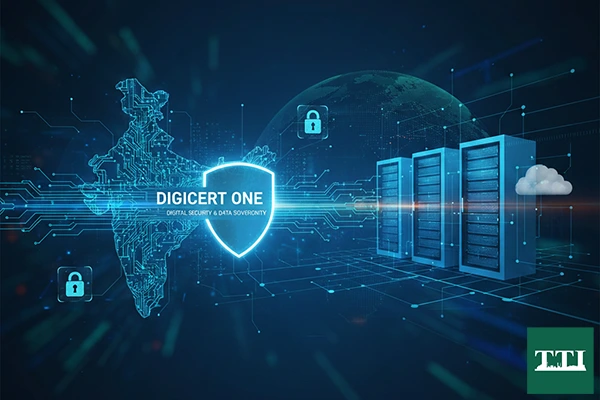
In an era where digital transformation is no longer a luxury but a mandate, the infrastructure supporting that growth must be both resilient and compliant. DigiCert, a global leader in intelligent trust, recently made a landmark announcement that is set to redefine the cybersecurity landscape in South Asia.
By launching a locally-hosted version of its DigiCert ONE™ platform in India, the company is directly addressing the country’s burgeoning need for data sovereignty, regulatory compliance, and high-performance digital trust services. This move not only strengthens India’s national security posture but also empowers enterprises across critical sectors to scale with confidence.
Why Local Hosting Matters for India’s Digital Economy
As India cements its position as a global technology hub, the regulatory environment has become increasingly sophisticated. Organizations in sectors like Banking, Financial Services, and Insurance (BFSI), healthcare, and telecommunications are now subject to stringent data residency requirements.
The availability of a local DigiCert ONE instance means that sensitive cryptographic data and trust operations can now remain entirely within India’s borders. This alignment with the Digital Personal Data Protection (DPDP) Act and guidelines from authorities like the RBI (Reserve Bank of India) and CERT-In is a game-changer for local enterprises.
Key Benefits of Locally-Hosted Digital Trust:
- Data Sovereignty: Ensures that sensitive identity and encryption data do not leave the country.
- Reduced Latency: Local hosting improves the performance and speed of certificate issuance and management.
- Regulatory Alignment: Simplifies compliance for organizations governed by SEBI, IRDAI, and other national regulators.
The Power of DigiCert ONE: A Unified Trust Platform
DigiCert ONE is not just a tool; it is a comprehensive architecture designed to manage the entire lifecycle of digital trust. By bringing various trust functions together on a single, AI-powered platform, DigiCert enables organizations to eliminate the “silos” that often lead to security gaps.
1. PKI and Certificate Lifecycle Management
Managing Public Key Infrastructure (PKI) has traditionally been a manual and error-prone process. With the industry trend moving toward shorter TLS certificate lifespans (reducing from years to just months), automation is no longer optional. DigiCert ONE provides the visibility and automation tools needed to prevent outages and maintain 24/7 uptime.
2. Device and IoT Trust
With machine identities expected to outnumber human identities by a ratio of 100:1 by 2026, securing the Internet of Things (IoT) is a top priority. The platform provides a scalable way to manage identities for everything from smart meters to medical devices, ensuring they are authentic and secure from the moment they are manufactured.
3. Software and Document Trust
In a world of supply chain attacks, ensuring the integrity of software code and digital documents is vital. DigiCert ONE’s code-signing and document-signing capabilities provide a “tamper-evident” seal of approval, protecting both the creator and the end-user.
Strategic Investment in India’s Talent and Innovation
DigiCert’s commitment to India goes beyond just providing software. The company has long viewed India as the heart of its global engineering and innovation strategy.
“India is central to DigiCert’s global growth and innovation strategy. Investing in a local DigiCert ONE instance reflects our long-term commitment to India,” said James Cook, APAC Group Vice President at DigiCert.
Currently, nearly three-quarters of DigiCert’s global engineering talent is based in India, specifically within its Bangalore and Pune offices. These teams are responsible for designing and building the very trust infrastructure that secures the global internet. With over 350 digital trust associates in the country, India represents DigiCert’s largest employee base worldwide.
Preparing for the Future: Post-Quantum Cryptography (PQC)
One of the most forward-looking aspects of the DigiCert ONE launch in India is its focus on Post-Quantum Readiness. As quantum computing advances, traditional encryption methods risk becoming obsolete.
Indian enterprises, particularly in critical sectors, are already being urged by the government’s National Quantum Mission to begin their migration to quantum-safe standards. The local DigiCert ONE instance provides a foundation for organizations to test and deploy PQC-ready frameworks today, ensuring their data remains secure well into the next decade.
What is Quantum Readiness?
Quantum readiness involves adopting new cryptographic algorithms that are resistant to the processing power of quantum computers. DigiCert is at the forefront of this transition, helping businesses build cryptographic agility—the ability to switch out old encryption methods for new ones without disrupting their entire infrastructure.
Summary: A New Standard for Indian Cyber Resilience
The launch of DigiCert ONE in India marks a pivotal shift in how the country approaches digital identity and security. By combining local data residency with a globally proven platform, DigiCert is removing the barriers to growth for thousands of Indian businesses.
| Feature | Impact on Indian Enterprises |
| Local Hosting | Guarantees compliance with national data residency laws. |
| Full Automation | Eliminates manual errors and prevents costly system outages. |
| PQC Readiness | Future-proofs security against the threat of quantum computing. |
| Unified Platform | Centralizes management of TLS, IoT, and Code Signing. |
As digital ecosystems become more complex, the need for “intelligent trust” will only grow. With its deep-rooted engineering presence and new local infrastructure, DigiCert is uniquely positioned to secure India’s digital future.