


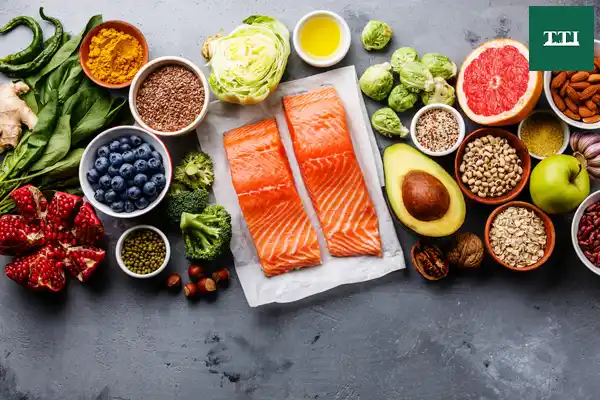
In a world increasingly focused on preventive health and natural wellness, the concept of “superfoods” has moved from a dietary trend to a cornerstone of a balanced lifestyle. While no single food can provide every nutrient the body requires, incorporating specific, nutritionally dense powerhouses can significantly enhance your vitality. According to recent insights from health experts at Talk Time India, a strategic focus on ten specific superfoods can help nourish your body naturally and offer a shield against various chronic conditions.
The Power of Dark Leafy Greens
Dark leafy greens such as kale, spinach, and Swiss chard are often cited as the gold standard for nutritional density. These vegetables are exceptional sources of folate, zinc, calcium, and iron. Beyond basic minerals, they are packed with carotenoids—anti-inflammatory compounds that play a vital role in protecting the body against heart disease and certain types of cancer. Integrating these into daily meals, whether through smoothies or sautés, provides a high-fiber foundation that supports both digestion and long-term immune health.
Also Read: The Spine’s Turning Point: How Daily Habits Can End the Cycle of Back Pain
Berries: Nature’s Antioxidant Giants
Berries, including blueberries, strawberries, and raspberries, are celebrated for their high concentrations of antioxidants and vitamins. These tiny fruits are instrumental in combating oxidative stress and reducing inflammation. Regular consumption of berries is linked to a reduced risk of inflammatory conditions and improved digestive health. Their versatility allows them to be a staple in breakfasts and desserts alike, offering a sweet way to bolster the body’s natural defenses.
The Resilience of Green Tea
Originating from traditional medicinal practices, green tea is a potent source of catechins, specifically EGCG (epigallocatechin gallate). This unique antioxidant provides strong anti-inflammatory effects and has been researched for its potential to protect against diabetes and cardiovascular disease. Furthermore, the combination of natural caffeine and catechins in green tea can aid in healthy weight management, making it a functional beverage for those seeking sustained energy.
Eggs: A Complete Protein Source
Despite past debates regarding cholesterol, eggs are now recognized as one of the healthiest, most bioavailable protein sources available. They contain 12 essential vitamins and minerals, including choline, which is vital for brain health and nerve function. Additionally, the presence of lutein and zeaxanthin in eggs helps protect vision. Modern research suggests that for most individuals, regular egg consumption supports “good” HDL cholesterol without increasing the risk of heart disease.
Legumes and Pulses for Heart Health
Beans, lentils, and peas serve as an excellent plant-based protein source while being naturally low in fat. Rich in potassium, magnesium, and fiber, legumes like black beans and kidney beans are instrumental in regulating blood sugar and supporting heart health. They provide a feeling of fullness that assists in weight management, and their high iron content makes them a crucial component of a vegetarian-friendly diet.
Nuts and Seeds: Essential Healthy Fats
Almonds and pumpkin seeds are standout choices in the category of nuts and seeds. Almonds are particularly high in vitamin E and monounsaturated fats, which contribute to lower LDL cholesterol levels. Meanwhile, seeds like chia and flax are prized for their Omega-3 fatty acids and gel-forming fibers that slow glucose absorption, helping to prevent blood sugar spikes. These “super-snacks” provide the body with sustained energy and essential minerals like magnesium and phosphorus.
Quinoa: The Ancient Protein Grain
Quinoa stands out as a “complete” protein, meaning it contains all nine essential amino acids that the body cannot produce on its own. As a gluten-free grain, it is high in fiber and antioxidants, supporting healthy digestion and weight control. Its ability to provide long-lasting satiety makes it a superior alternative to refined grains, helping to maintain stable energy levels throughout the day.
Cruciferous Vegetables and Detoxification
Broccoli and its relatives are famous for their detoxifying abilities. These vegetables contain glucosinolates, sulfur-containing compounds that support the body’s natural detoxification pathways and immune health. High in vitamins A, C, and K, broccoli not only supports bone health but also enhances the absorption of iron from other foods, making it a powerhouse for blood health.
Salmon and Omega-3 Fatty Acids
Fatty fish like salmon are essential for cardiovascular and cognitive health. The primary benefit of salmon lies in its high Omega-3 fatty acid content, which is proven to reduce inflammation and lower the risk of heart disease. It is a high-quality protein source that is relatively low in calories, providing the necessary nutrients for cell repair and metabolic efficiency.
Cultured Foods and Digestive Harmony
Low-fat, unsweetened Greek yogurt and other fermented foods play a critical role in gut health. By providing beneficial probiotics, these foods enhance the immune response and improve the balance of cholesterol. Choosing plain, vitamin D-fortified versions ensures you receive the maximum benefits without the hidden sugars found in processed alternatives.
Nourishing for Longevity
The path to maximum health benefits is found through variety and consistency. By centering your diet around these ten superfoods, you create a nutritional synergy that supports your body’s complex systems. Consulting with healthcare professionals through platforms like Talk Time India can provide further personalized dietary guidance, ensuring that your journey toward natural nourishment is both safe and effective.