


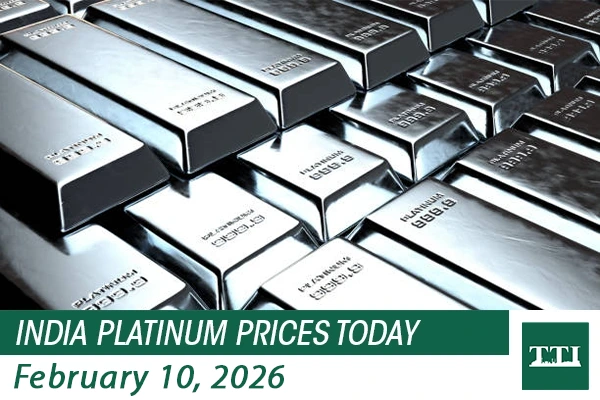
While gold and silver dominate the Indian headlines, platinum—the “noble metal”—is carving out a significant space for itself among modern investors and jewelry enthusiasts. Known for its rarity, durability, and sophisticated white luster, platinum is increasingly seen as the ultimate symbol of understated luxury.
If you are considering a platinum purchase for an engagement or as a long-term investment, staying updated on its market performance is essential. Here is your comprehensive guide to platinum rates in India.
Today’s Platinum Rate in India (February 10, 2026)
Based on the latest updates from GoodReturns, platinum prices have remained stable today after witnessing some volatility earlier in the month.
| Unit | Today’s Price | Yesterday’s Price | Daily Change |
| 1 Gram | ₹6,078 | ₹6,091 | -₹13 |
| 10 Grams | ₹60,780 | ₹60,910 | -₹130 |
| 100 Grams | ₹6,07,800 | ₹6,09,100 | -₹1,300 |
Platinum Prices Across Major Indian Cities
In India, platinum prices are largely consistent across metropolitan hubs, though minor variations can occur due to local dealer margins and transportation costs.
- Mumbai: ₹60,780 per 10g
- Delhi: ₹60,780 per 10g
- Chennai: ₹60,780 per 10g
- Bangalore: ₹60,780 per 10g
- Hyderabad: ₹60,780 per 10g
- Kolkata: ₹60,780 per 10g
Why Is Platinum a Unique Investment?
Platinum often carries a higher prestige than gold, and for good reason. Its market dynamics are influenced by factors distinct from other precious metals:
- Extreme Scarcity: Platinum is much rarer than gold. It is found in fewer locations globally (primarily South Africa and Russia), making its supply chain highly sensitive to geopolitical changes.
- Industrial Heavyweight: Over 50% of global platinum demand comes from the automotive industry, where it is used in catalytic converters to reduce emissions. As global environmental standards tighten, industrial demand remains a strong price driver.
- The “Forever” Metal: In jewelry, platinum is prized because it does not wear away. While gold loses tiny amounts of metal over years of friction, platinum simply displaces, meaning the weight of a platinum ring remains the same for a lifetime.
- Hypoallergenic Properties: Being 95% pure (compared to 18K gold which is 75% pure), platinum is naturally hypoallergenic. This makes it the preferred choice for consumers with sensitive skin.
Platinum vs. Gold: A Price Comparison
Historically, platinum has often traded at a premium over gold. However, in recent years, gold has overtaken platinum in price. As of February 2026, platinum remains significantly more affordable than 24K gold per gram in the Indian market. This price gap has made platinum an attractive entry point for luxury buyers looking for “more metal for their money.”
Things to Check Before Buying Platinum
- Purity Mark: Look for the “Pt950” stamp, which signifies that the piece is 95% pure platinum.
- Certification: Ensure your purchase is accompanied by a Quality Assurance Card from the Platinum Guild International (PGI).
- Resale Value: While gold has a very liquid resale market in India, platinum’s buy-back policies can vary. Always ask your jeweler about their specific resale or exchange terms for platinum.
The Outlook for 2026
The performance of platinum in February has been described as “falling” compared to the highs of January (which saw peaks of ₹8,500/g). However, market analysts view this correction as a potential buying opportunity for long-term collectors. As the hydrogen economy grows—where platinum is used in fuel cells—the metal’s long-term industrial value is expected to strengthen.