


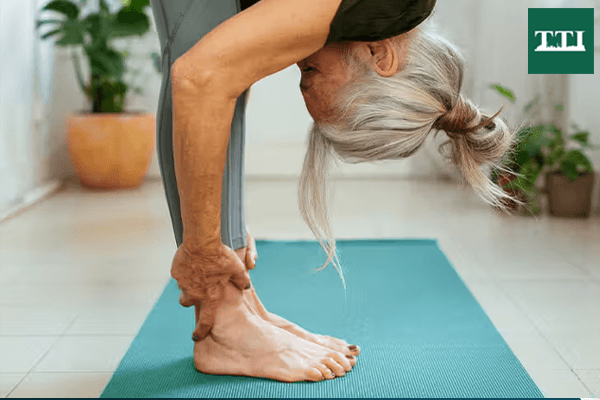
With contemporary life frequently revolving around desk-bound work, limited movement, and endless screen time, issues like rigid muscles and slouching have become widespread. Fortunately, health professionals point out that adding a basic stretching habit to your day acts as an effective remedy, greatly enhancing both bodily health and mental clarity. By carefully stretching the muscles to expand your range of motion, you preserve the elasticity and joint fluidity required for long-term vitality.
1. Improves Flexibility
The primary benefit of a daily stretching routine is the gradual increase in muscle length and joint flexibility. This isn’t just for athletes; improved flexibility is vital for everyone, as it allows for the easier performance of daily tasks and a noticeable reduction in general stiffness. Because flexibility naturally declines as we age, consistent stretching becomes a critical tool for maintaining the ability to move freely and enhancing overall athletic performance.
2. Reduces Muscle Tension
Many individuals suffer from chronic muscle tightness, often the result of prolonged sitting or high stress levels. Regular stretching helps to release this built-up tension, reducing muscle soreness and easing the general discomfort that many office workers experience. By addressing tightness proactively, you can prevent the “sluggish” feeling that often accompanies a lack of movement.
3. Enhances Posture
Poor posture is frequently the result of specific muscle groups—such as the chest, shoulders, and hips—becoming overly tight. This tightness can pull the body out of alignment, leading to back strain and neck pain. Through regular stretching, the spine is better aligned, which relieves pressure on the back and supports long-term spinal health.
Also Read: Digital Wellness: Bridging the Gap Between Work Hours and Healthcare
4. Boosts Blood Circulation
Stretching serves as a natural booster for the circulatory system. By increasing blood flow to the muscles, stretching ensures that oxygen is delivered more efficiently throughout the body. This enhanced circulation not only supports the function of various organs but also promotes faster recovery after physical exertion or minor injuries.
5. Reduces Risk of Injury
Flexible muscles and joints are far more resilient and less prone to sudden strains and sprains. By regularly stretching, you prepare your muscles for physical activity, ensuring they can handle the demands of movement without reaching a breaking point. This preventative measure is essential for maintaining physical independence as the body ages.
6. Improves Joint Mobility
Inactivity can lead to joint stiffness and a reduction in the natural lubrication of the joints. Daily stretching helps maintain this lubrication, ensuring that joints move smoothly through their full range of motion. This reduction in joint discomfort can make a significant difference in one’s quality of life, especially for those prone to joint-related issues.
7. Supports Mental Relaxation
The benefits of stretching are not limited to the physical. When combined with deep breathing, stretching activates the parasympathetic nervous system. This physiological shift promotes relaxation and helps reduce stress, providing a quiet moment of mental clarity in a busy day. Many find that even a short ten-minute session can act as a form of meditation.
8. Helps Manage Back Pain
Lower back pain is a common side effect of a sedentary lifestyle. By stretching key areas like the hamstrings, hip flexors, and the muscles of the lower back, individuals can relieve the excessive pressure placed on the spine. Relaxing these specific muscle groups can lead to a significant reduction in the chronic pain associated with long hours of sitting.
9. Enhances Athletic Performance
For those who engage in sports or regular exercise, stretching is an indispensable part of the training cycle. Dynamic stretching—which involves controlled movements—is particularly effective before exercise to prepare the muscles for peak performance. This leads to more active muscles and a greater range of motion during physical activity.
10. Promotes Healthy Aging
As the body ages, muscle elasticity naturally decreases, which can lead to limited mobility and an increased risk of falls. Daily stretching supports independence in older adults by maintaining the balance and coordination needed for daily living. It ensures that the musculoskeletal system remains functional and resilient throughout the later years of life.
Simple Daily Stretching Routine and Safety Tips
Building a habit is more important than the intensity of the session. A basic routine should target major areas and include neck stretches, shoulder rolls, and stretches for the hamstrings, calves, quadriceps, and back. Each stretch should be held for 15 to 30 seconds to allow the muscle fibers to elongate properly.
To ensure safety, it is vital to warm up the muscles with light activity before beginning. It is also important to avoid “bouncing” while stretching, as this can cause small tears in the tissue. Instead, use smooth, controlled movements and breathe normally. Most importantly, stretching should never be painful; if you feel a sharp pain, you should stop immediately. For those with persistent pain or limited mobility, seeking medical advice from a healthcare professional or physical therapist is recommended to ensure a safe and effective practice. Just 10 to 15 minutes of consistency each day can create lasting improvements in how your body feels and functions.
Also Read: Listening to Your Body: Subtle Signs of Thyroid Imbalance You Shouldn’t Ignore