


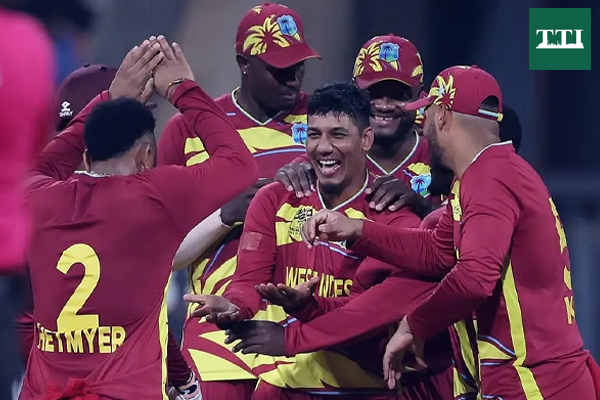
On February 15 at Mumbai’s iconic Wankhede Stadium, the West Indies showcased their dominance with a decisive nine-wicket victory over Nepal in the 25th match of the ICC Men’s T20 World Cup 2026. The Caribbean side made quick work of a 134-run target, finishing the chase with nearly five overs remaining and underscoring the significant difference in skill and experience between the two squads.
Holder Leads the Charge with Four-Fer
The foundation of the West Indies’ victory was laid in the first innings after captain Shai Hope won the toss and elected to bowl. The decision paid immediate dividends as the West Indian pace attack, led by the veteran Jason Holder, exploited the humid Mumbai conditions. Holder was the star of the show, finishing with remarkable figures of 4 for 27 in his four-over spell.
Nepal’s top order struggled to cope with the bounce and movement. Kushal Bhurtel was the first to fall, cleaned up by an arm ball from Akeal Hosein for just 1 run. Captain Rohit Paudel (5) and Aasif Sheikh (11) followed shortly after, leaving Nepal reeling at 17 for 3 within the first five overs. The middle order offered little resistance against the relentless pressure, as Aarif Sheikh and Lokesh Bam fell cheaply, leaving the scoreboard a dismal 46 for 5 by the 11th over.
Also Read: T20 World Cup Match 24: Markram’s Masterclass Powers South Africa Past New Zealand
Airee and Kami Provide Late Resistance
Just as a total under 100 seemed likely, Dipendra Singh Airee stepped up to play a “crisis pilot” role. Airee displayed immense composure, striking 58 runs off 47 deliveries. His innings was the backbone of the Nepali total, featuring calculated risks and solid strike rotation. He found a reliable partner in Sompal Kami, and together the pair added 54 runs for the seventh wicket to breathe life into the innings.
Kami’s contribution of 26 runs helped push the total past the 130-mark. However, Holder returned in the death overs to remove Airee and Karan KC, ensuring Nepal finished on 133 for 8. While it was a fighting recovery, the total always appeared sub-par on a Wankhede pitch known for favoring batsmen.
Hope and Hetmyer Cruise to Victory
The West Indies’ chase began with intent. Though they lost Brandon King for 22—caught by Bhurtel off the bowling of Nandan Yadav—the wicket proved to be the only celebration for the Nepali fans. From 43 for 1, Shai Hope and Shimron Hetmyer took complete control of the game.
Shai Hope, leading from the front, anchored the innings with a classy 61 not out off 44 balls. His knock was a mix of elegant drives and powerful strikes, including five boundaries and three sixes. At the other end, Hetmyer provided the fireworks, smashing 46 off just 32 balls at a strike rate of 143.75. The duo shared an unbeaten 91-run partnership, punishing any loose deliveries from the Nepali spinners. Sandeep Lamichhane, Nepal’s premier leg-spinner, went wicketless while conceding 38 runs in his three overs, reflecting the dominance of the Caribbean batters.
The West Indies reached the target of 134 in just 15.2 overs, finishing the game with a statement of intent that solidifies their standing in Group C.
Match Summary and Tournament Outlook
The comprehensive nine-wicket win earned the West Indies crucial points and a significant boost to their Net Run Rate. Jason Holder was rightfully named Player of the Match for his opening burst and death-overs discipline. For Nepal, the match served as a harsh lesson in the demands of top-tier international cricket. While Dipendra Singh Airee’s half-century was a significant individual achievement, the team’s inability to build partnerships in the Powerplay ultimately cost them the game.
With the group stages progressing, the West Indies look like a formidable force capable of challenging for the title, while Nepal will need to regroup and find more consistency in their batting order if they hope to cause an upset in their remaining fixtures.
Also Read: Strategic Transit: Iran Grants Indian LPG Tankers Safe Passage Through Hormuz