


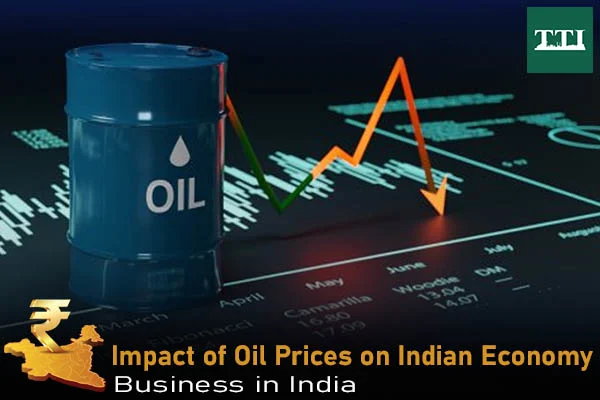
Oil is a critical input for the Indian economy, influencing transportation, manufacturing, agriculture, and energy sectors. India is the third-largest oil importer in the world, importing over 80% of its crude oil requirements. Consequently, fluctuations in global oil prices have far-reaching effects on inflation, fiscal balance, current account deficits, and overall economic growth. Understanding the relationship between global oil prices and the Indian economy is essential for policymakers, businesses, and consumers alike. This article explores the mechanisms, implications, and strategies to mitigate the impact of oil price volatility on India’s economy.
Overview of India’s Oil Dependency
India’s reliance on oil imports makes its economy sensitive to global price changes. Crude oil accounts for a significant share of India’s energy consumption, fueling transport, industry, power generation, and household energy needs. Major import sources include Saudi Arabia, Iraq, the United Arab Emirates, and the United States.
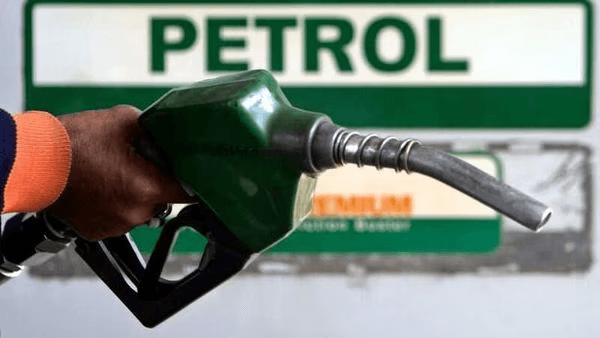
Rising global oil prices directly affect domestic fuel prices, increasing the cost of gasoline, diesel, and LPG. Since transportation is a core component of supply chains, any increase in fuel prices translates into higher logistics and production costs, which ultimately impact consumers through increased prices of goods and services.
Oil price volatility can be influenced by geopolitical events, OPEC policies, global demand fluctuations, and natural disasters. India’s vulnerability arises from the combination of high import dependence and limited domestic production, making effective policy measures crucial for economic stability.
Impact on Inflation and Consumer Prices
Global oil price changes have a direct impact on India’s retail inflation. Higher crude prices lead to increased petrol and diesel costs, which ripple through transportation, food, and industrial sectors. For instance, the rising cost of freight can increase agricultural product prices, affecting food inflation and household budgets.
The government uses excise duty adjustments and subsidies to regulate retail fuel prices, but excessive reliance on these measures can affect fiscal health. When global oil prices surge, maintaining affordable fuel prices may require higher subsidies, increasing fiscal pressure and potentially leading to higher deficits.
Conversely, declining global oil prices can help reduce inflation, lower transportation costs, and ease pressure on households and businesses. This cyclical impact underscores the sensitivity of India’s economy to global energy markets.
Fiscal and Current Account Implications
Oil imports have significant fiscal and macroeconomic implications. A sustained increase in oil prices can widen the current account deficit (CAD), as India spends more on importing crude oil while its export earnings remain relatively stable. A higher CAD puts pressure on the rupee, leading to currency depreciation, which can further increase the cost of imported oil and other commodities.
From a fiscal perspective, subsidies on fuel, cooking gas, and kerosene strain government finances. The Petroleum Subsidy Bill can rise dramatically during periods of high oil prices, forcing the government to reallocate funds from development projects or increase borrowing. This creates a delicate balance between supporting households and maintaining fiscal discipline.
Oil price shocks also affect public sector undertakings (PSUs) like Indian Oil Corporation, Bharat Petroleum, and Hindustan Petroleum, which may experience reduced margins or financial stress if retail prices are capped.
Impact on Industry and Manufacturing
Industries reliant on oil as a raw material or energy source, such as petrochemicals, plastics, textiles, and transport, are directly affected by global oil price movements. Higher prices increase production costs, reducing profitability and competitiveness. For example, logistics-intensive sectors such as e-commerce, retail, and FMCG experience higher transportation and distribution expenses.
Conversely, lower oil prices reduce operational costs, boost profit margins, and can stimulate demand for industrial and consumer products. Export-oriented manufacturers may benefit from cost advantages when global oil prices decline while foreign currency exchange rates remain favorable.
Energy-intensive industries such as power generation and fertilisers are particularly sensitive to oil price volatility. Oil-based power generation becomes more expensive during price surges, affecting electricity tariffs and production costs for manufacturing units.
Oil Prices and Monetary Policy
Global oil price fluctuations influence India’s monetary policy. The Reserve Bank of India (RBI) monitors inflation trends and price stability as key factors for interest rate decisions. Rising oil prices can trigger higher inflation, prompting the RBI to adopt a tight monetary stance by increasing policy rates to contain price pressures.
Conversely, falling oil prices can allow the RBI to reduce interest rates, promoting borrowing, investment, and economic growth. Thus, global oil prices indirectly shape liquidity conditions, credit growth, and overall economic activity in India.
Strategies to Mitigate Oil Price Risks
India has implemented several strategies to reduce the impact of oil price volatility:
- Strategic Petroleum Reserves (SPR): India maintains reserves in underground storage facilities to cushion against supply disruptions and price spikes.
- Diversification of Suppliers: By sourcing oil from multiple countries, India reduces dependency on any single geopolitical region.
- Promoting Renewable Energy: Investments in solar, wind, and bioenergy reduce reliance on imported oil and improve energy security.
- Fuel Efficiency Measures: Policies encouraging electric vehicles, CNG adoption, and energy-efficient industrial practices mitigate oil demand growth.
- Market-Based Pricing: Gradual liberalization of fuel pricing reduces fiscal subsidies and transfers global price risks to consumers in a controlled manner.
These strategies aim to balance economic growth, energy security, and fiscal prudence while ensuring that businesses and households can adapt to global market fluctuations.
Outlook and Future Trends
The future impact of global oil prices on India will depend on several factors, including geopolitical developments, the pace of renewable energy adoption, and domestic policy measures. India’s focus on clean energy, energy efficiency, and electric mobility is expected to gradually reduce oil dependency over the next decade.
However, oil will continue to play a significant role in transport, industry, and petrochemicals in the near term. Continued investment in infrastructure, strategic reserves, and market reforms will help mitigate risks and maintain economic stability. Businesses, especially in manufacturing and logistics, will need to incorporate energy cost management and hedging strategies to remain competitive.
Conclusion
Global oil prices have a profound impact on India’s economy, affecting inflation, fiscal balance, current account deficits, industrial competitiveness, and monetary policy. As a major oil importer, India is highly sensitive to price fluctuations driven by geopolitical tensions, supply constraints, and global demand trends. While rising oil prices can strain households, businesses, and government finances, declining prices offer relief and economic stimulus. Strategies such as diversification of imports, renewable energy adoption, fuel efficiency, and strategic reserves help mitigate risks. In the long run, India’s gradual shift towards sustainable energy and efficient fuel use will reduce dependency on global oil markets, enhancing economic resilience and stability.
FAQs
1. Why is India highly sensitive to global oil prices?
India imports over 80% of its crude oil, making its economy vulnerable to price fluctuations, which affect fuel costs, inflation, and the fiscal balance.
2. How do rising oil prices affect Indian households?
Higher oil prices increase fuel and transportation costs, raising prices of goods and services and reducing disposable income.
3. What strategies does India use to mitigate oil price risks?
India uses strategic petroleum reserves, diversified import sources, renewable energy adoption, fuel efficiency measures, and market-based pricing.
4. How do oil prices impact India’s industrial sector?
Industries reliant on oil face higher production and logistics costs, reducing competitiveness, while lower oil prices improve margins and stimulate economic activity.
Next Topic: Match Report: TATA WPL 2026, Match 1 – RCB Secure Thrilling Victory in Season Opener
Also Check: Role of MSMEs in India’s Manufacturing Sector